Film development / Pitch deck
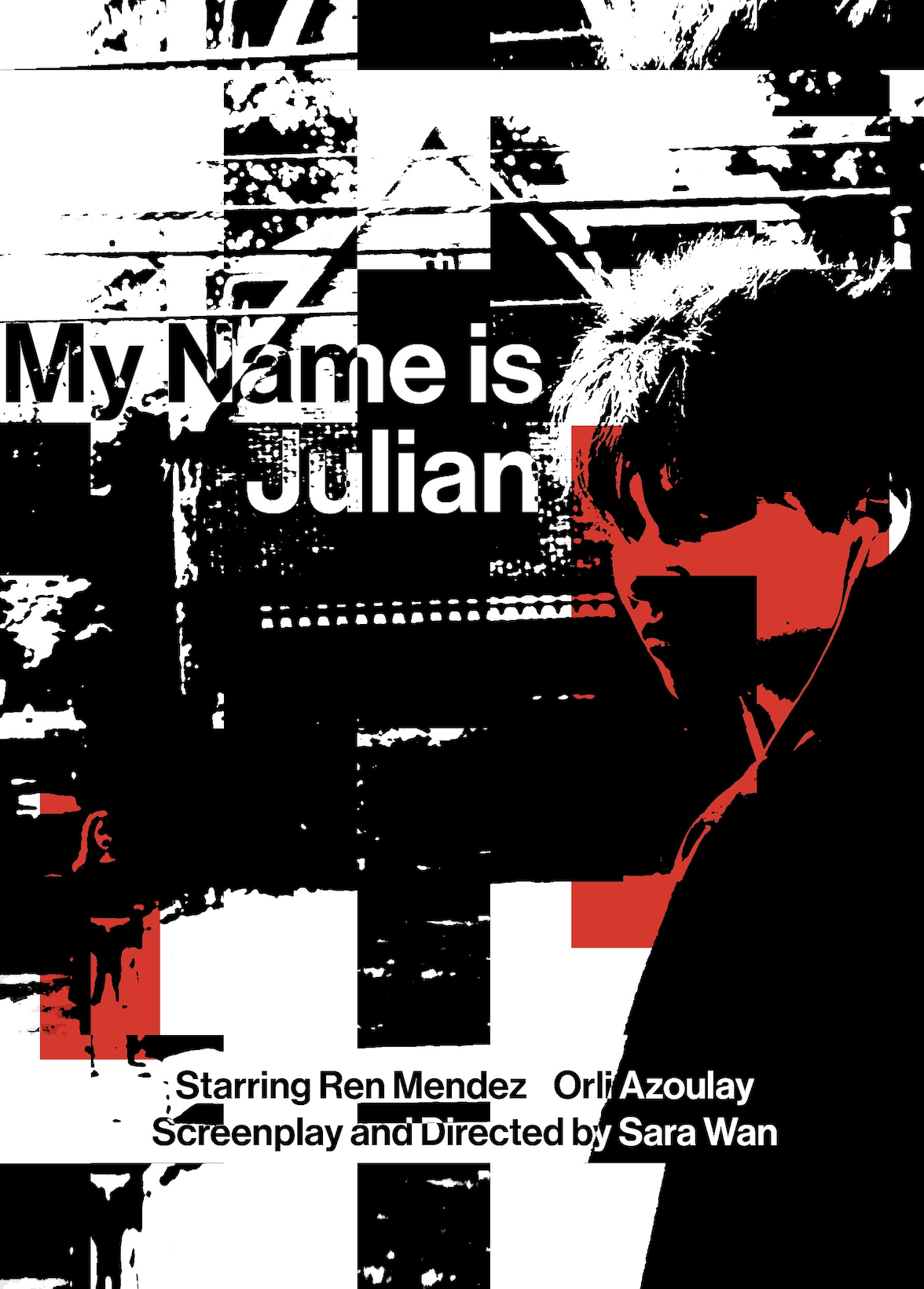
"My Name is Julian" - Short Film Pitch Deck
9 pages · PDF
Watch / Full short film
“My Name is Julian”
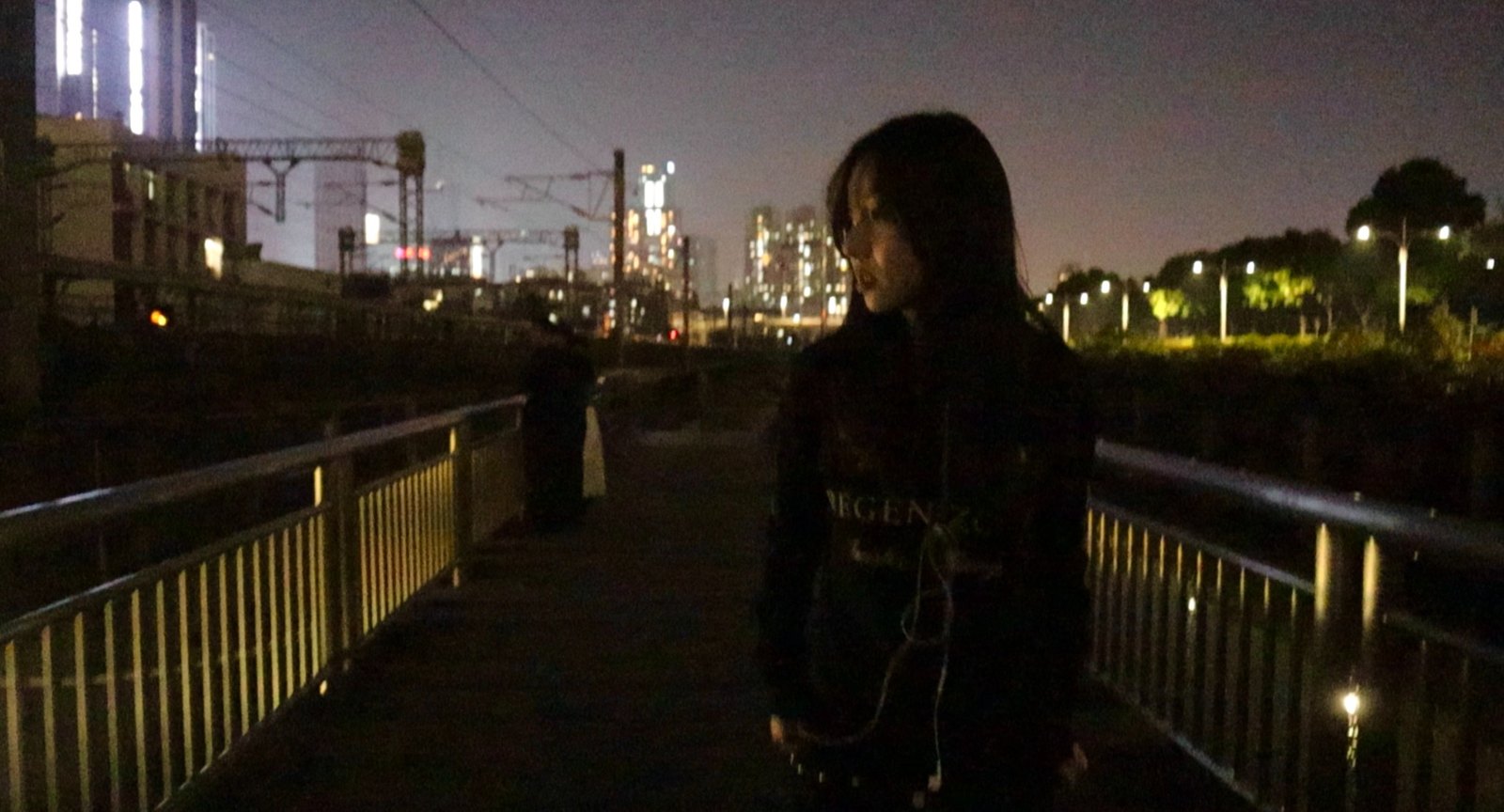
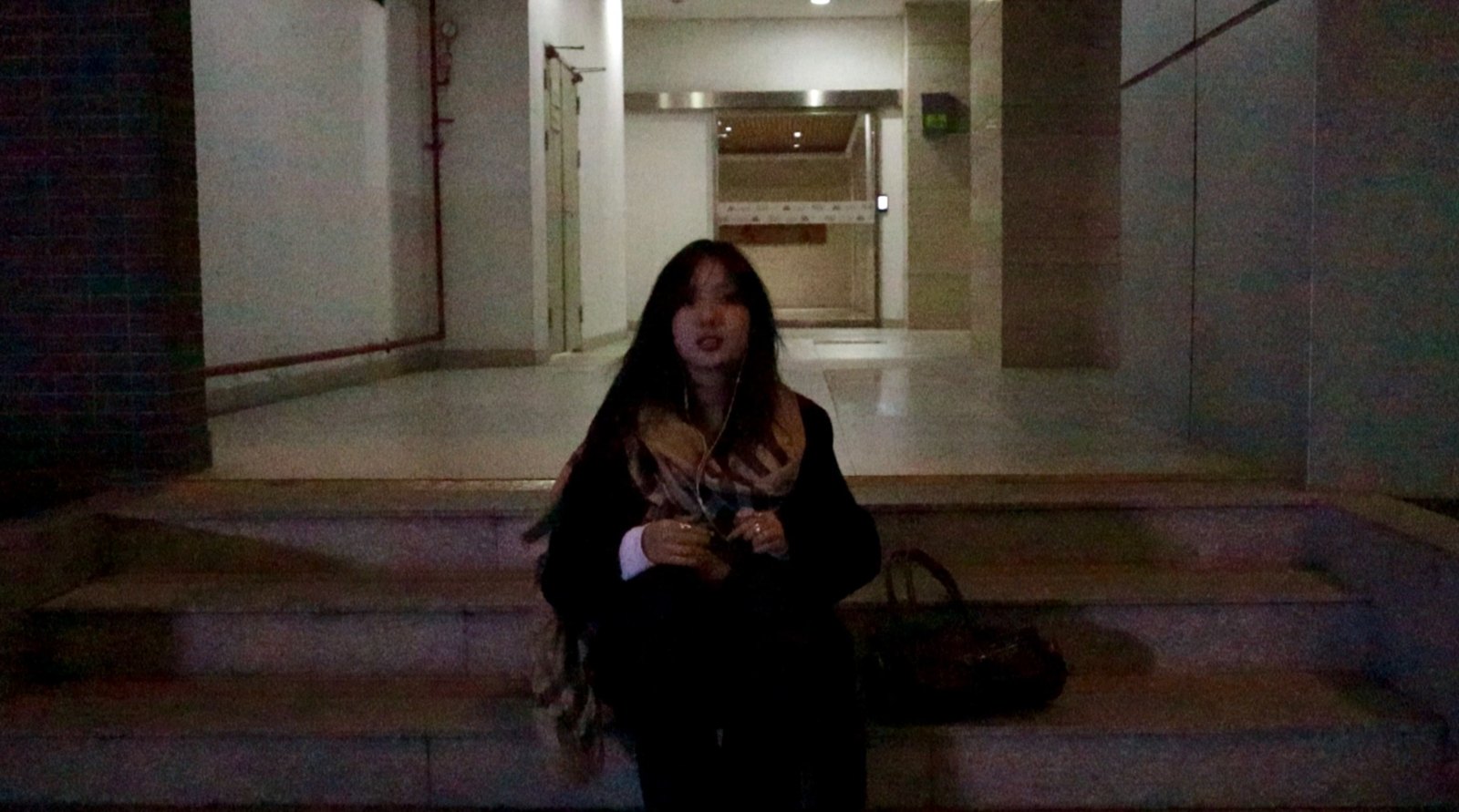
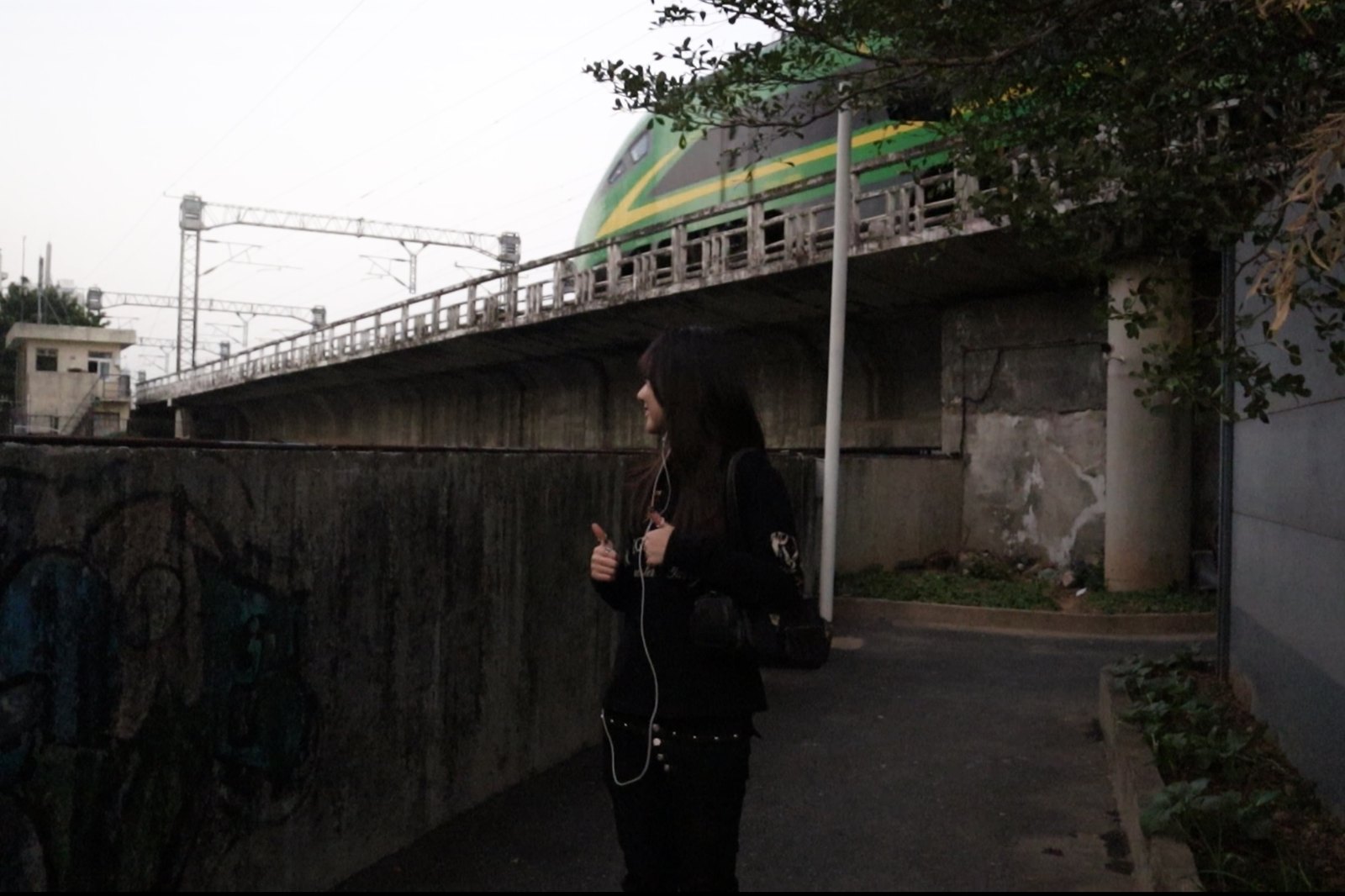
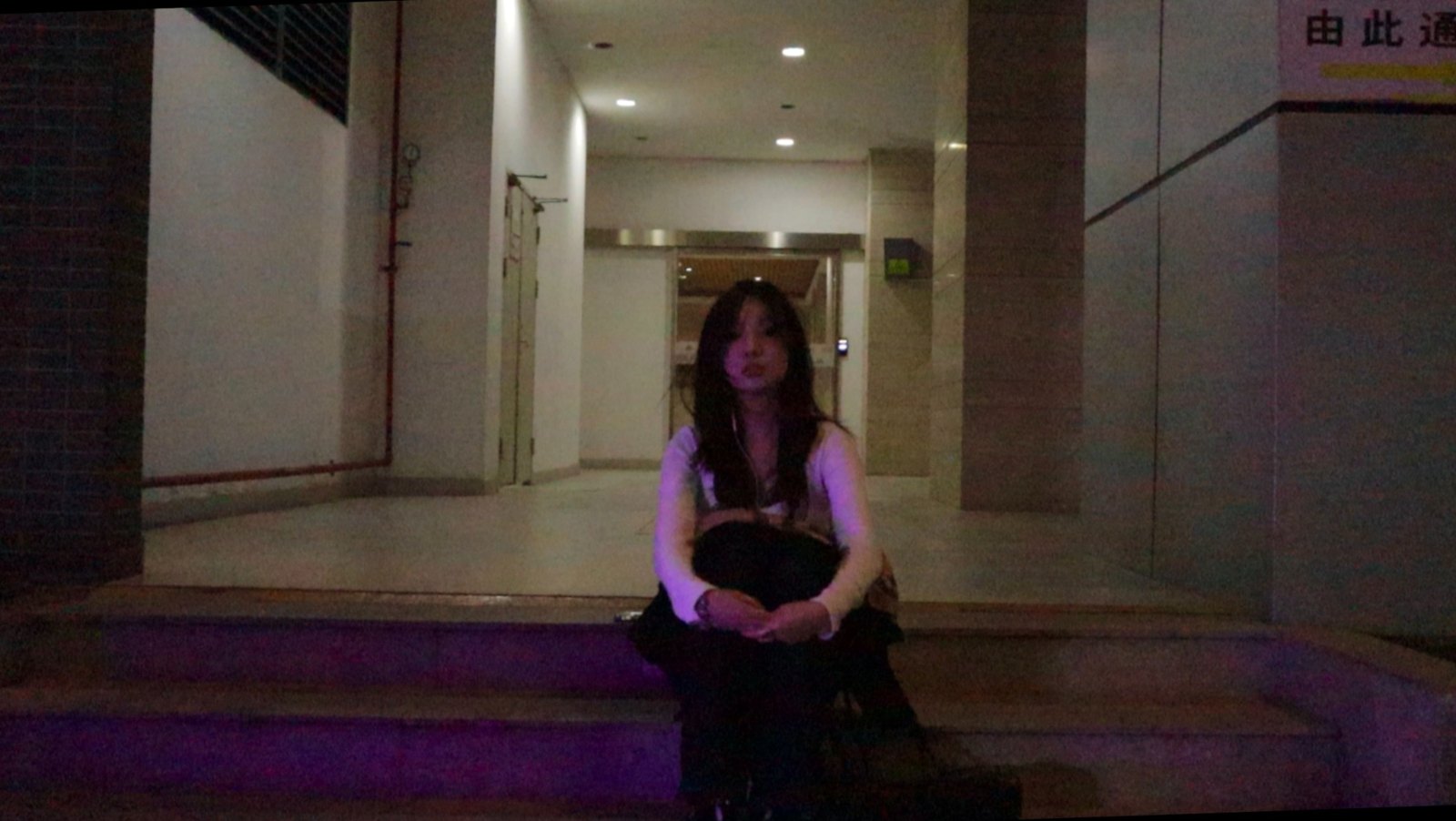
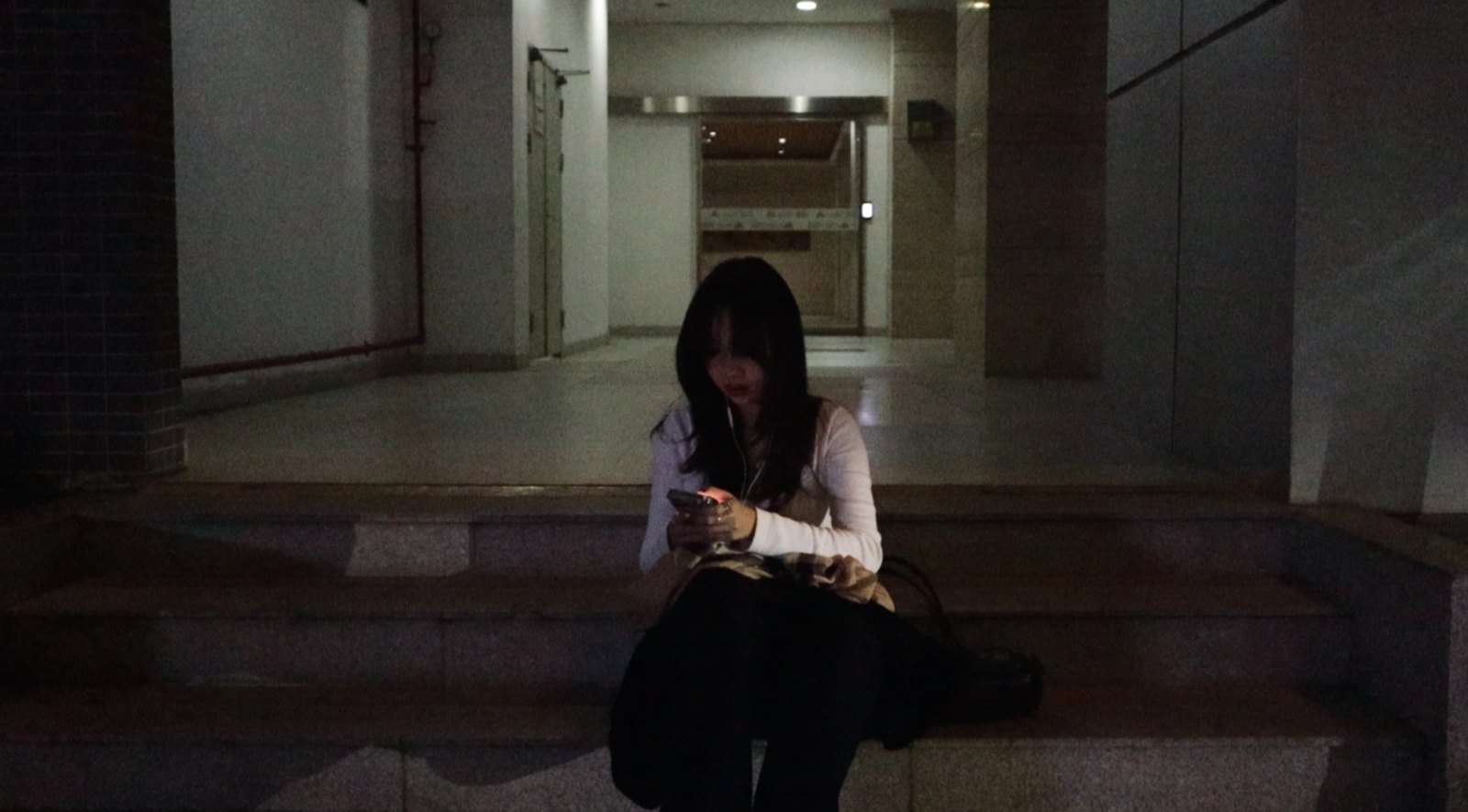
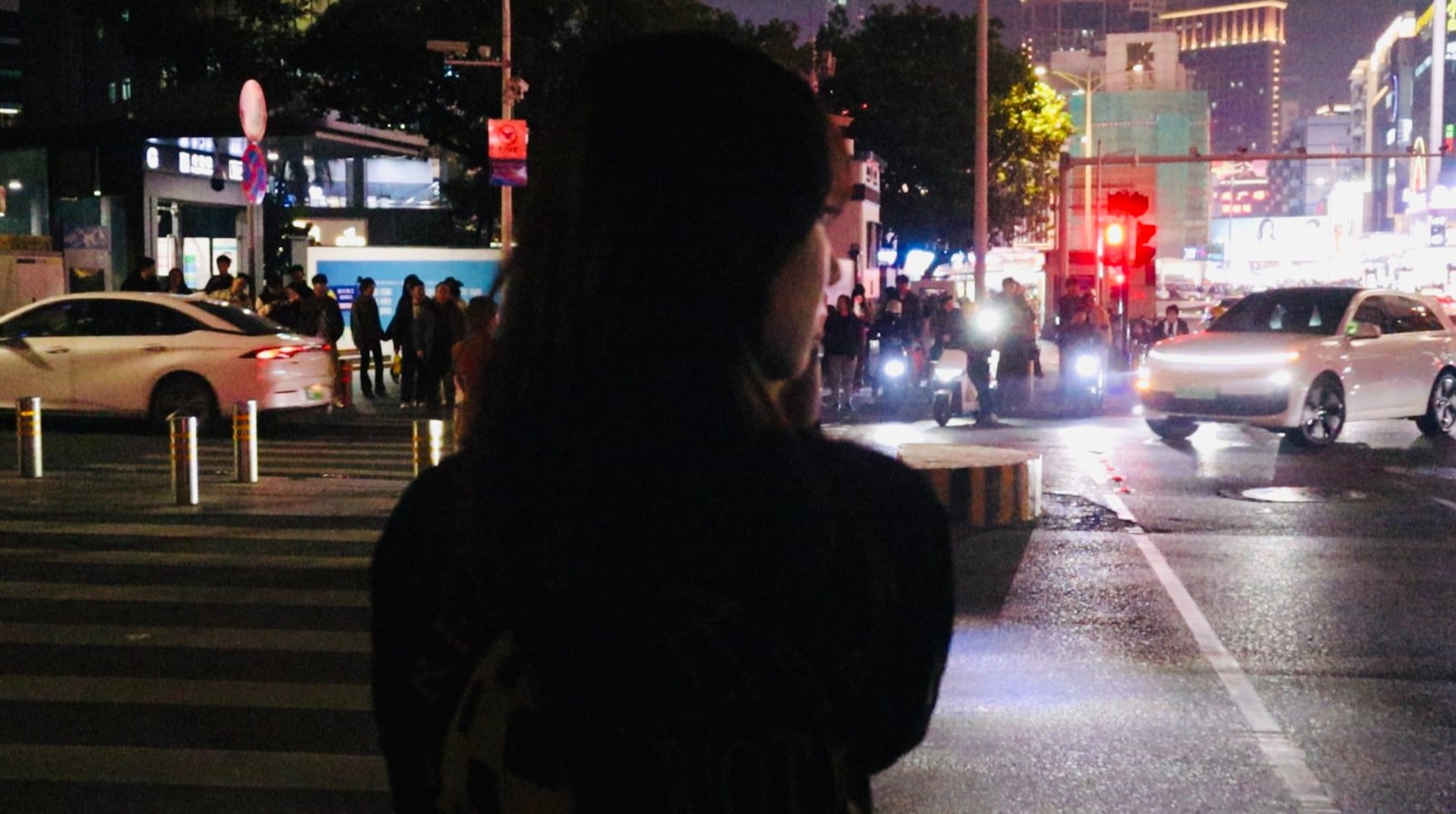
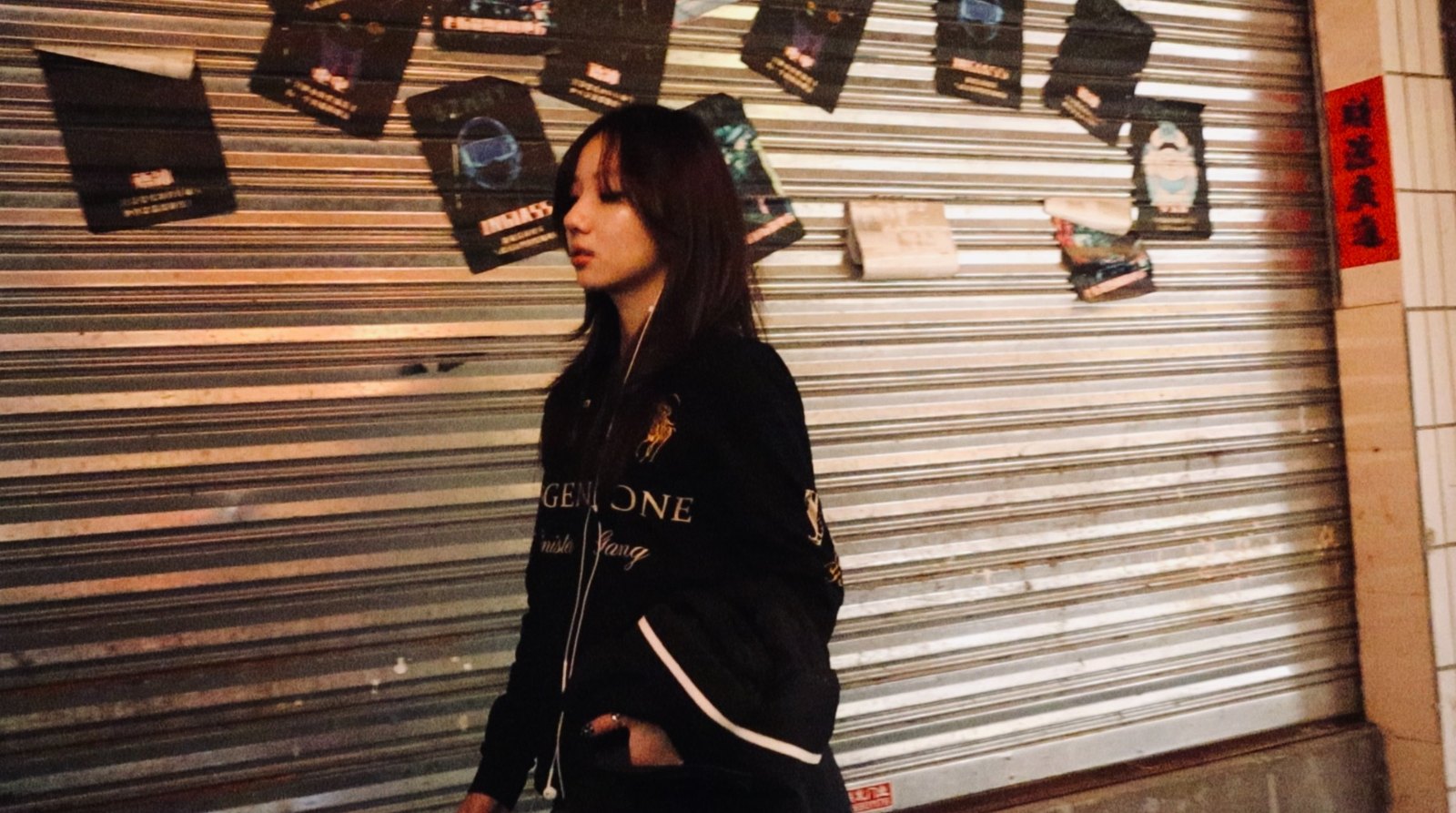
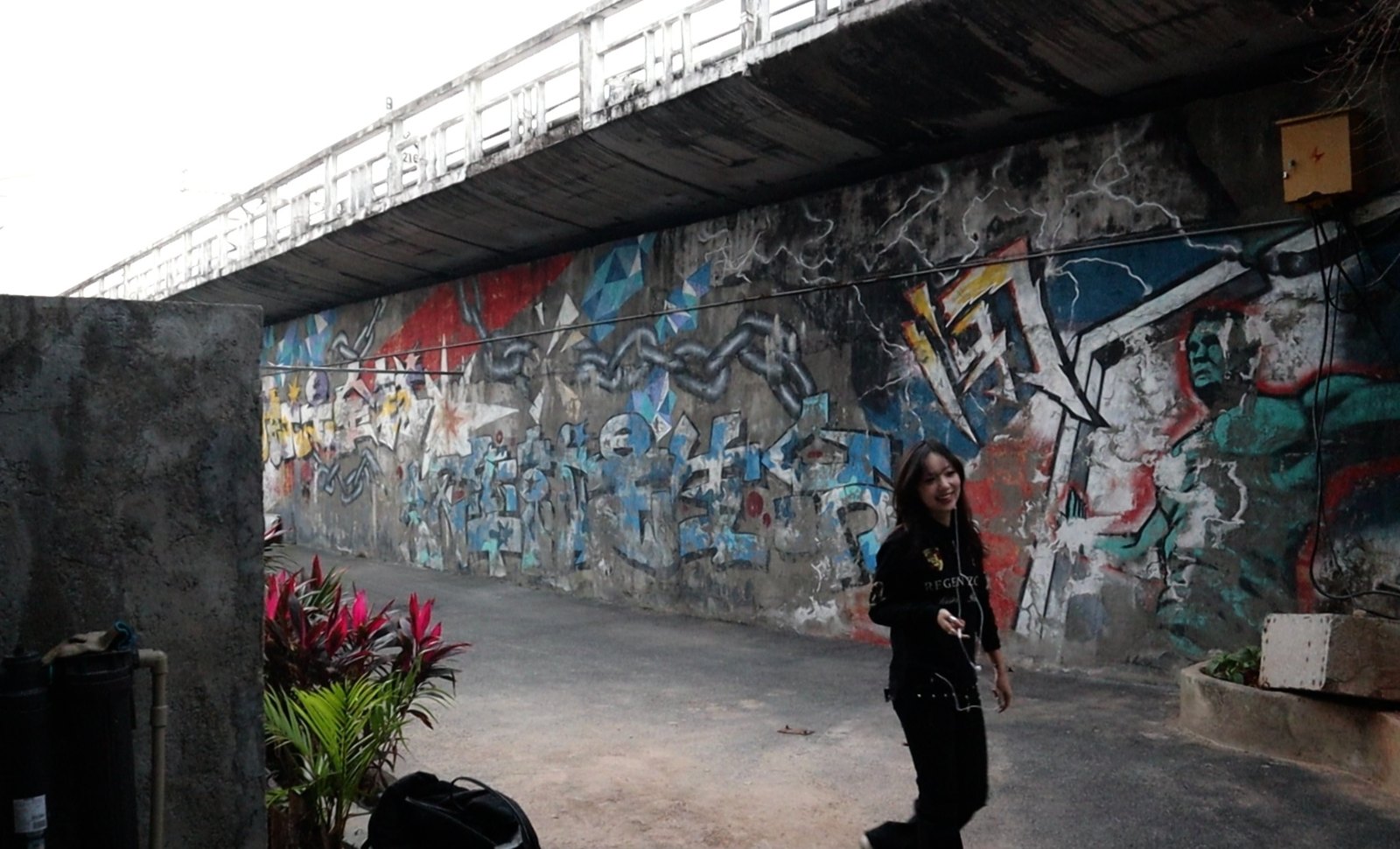
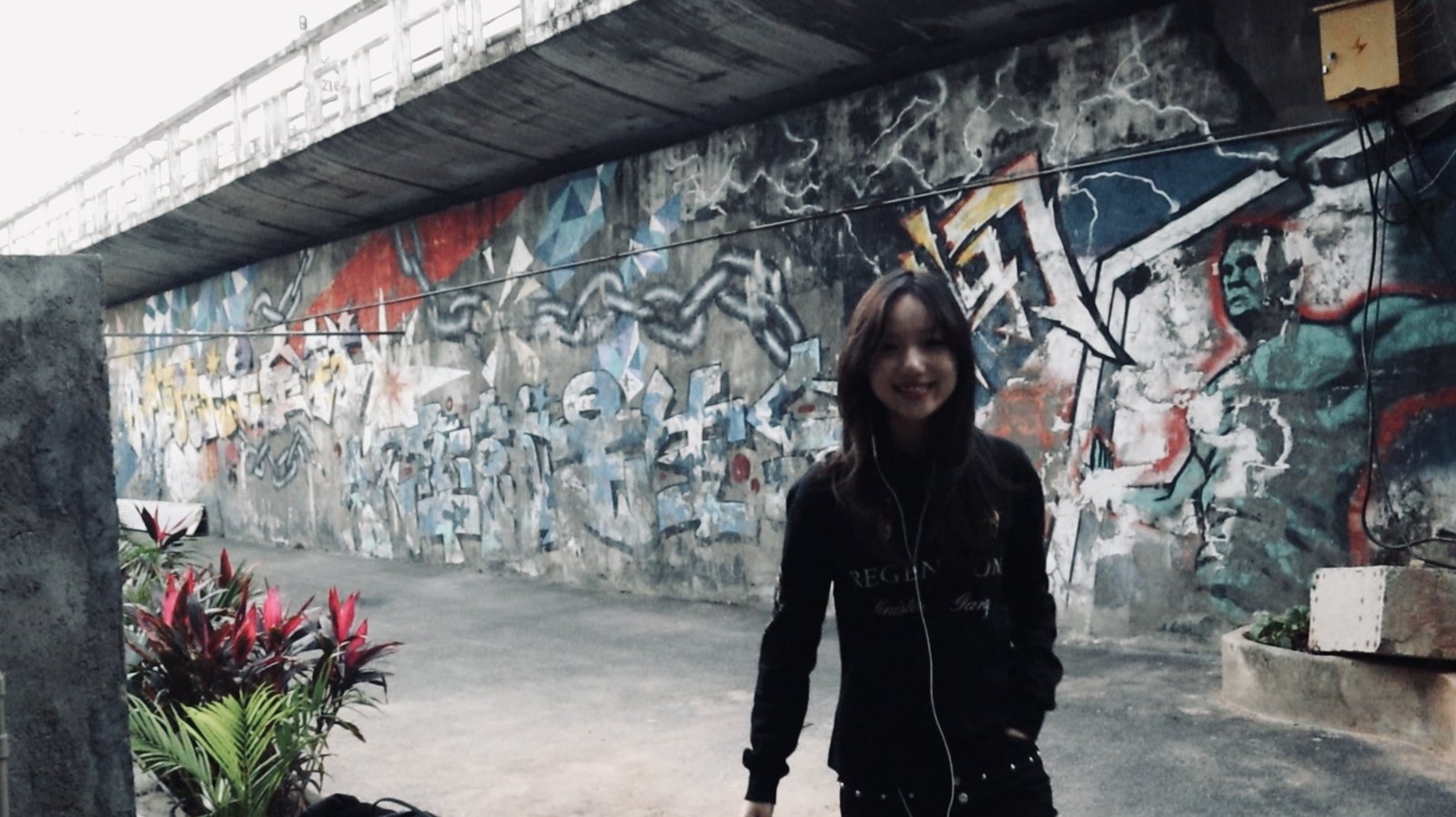
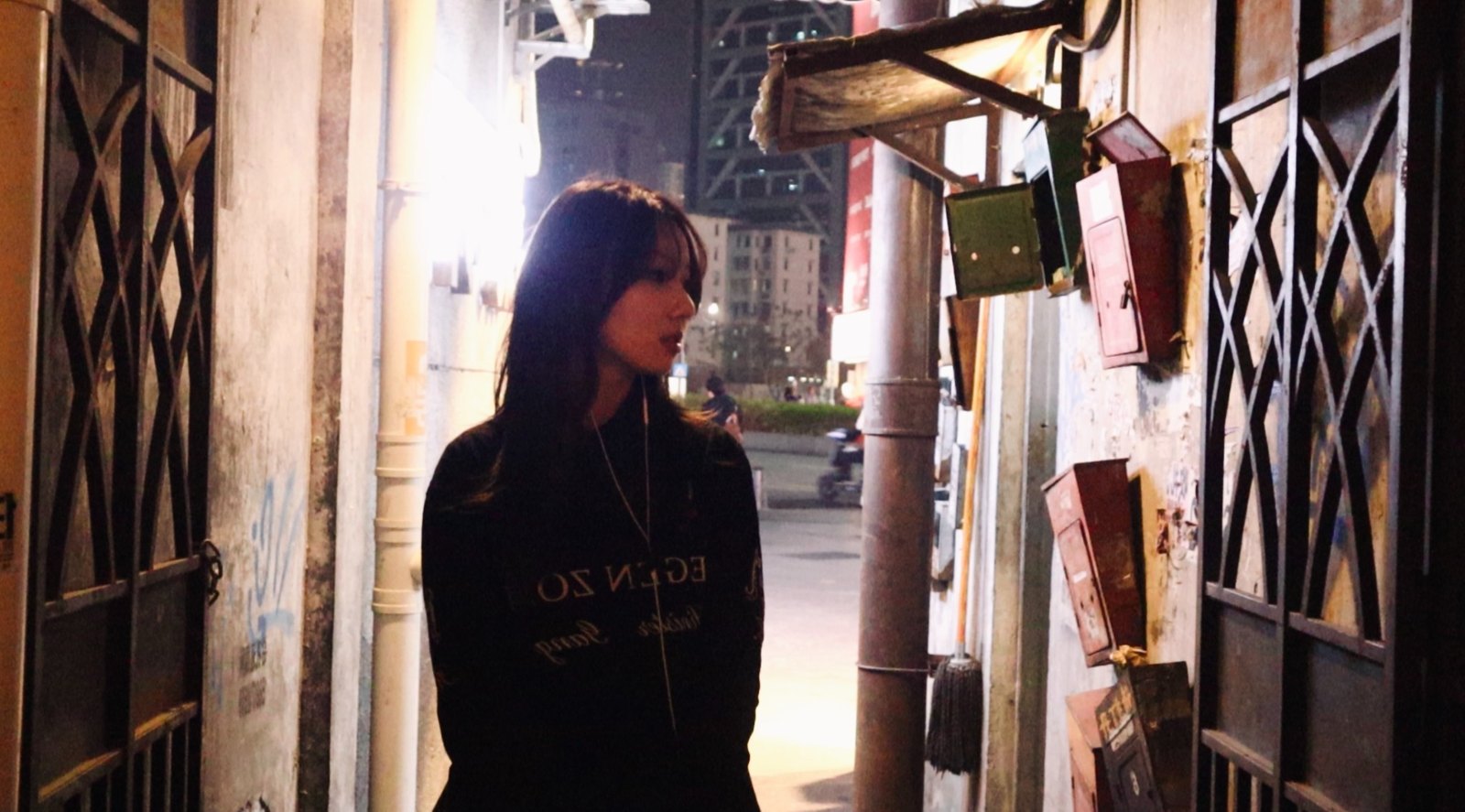
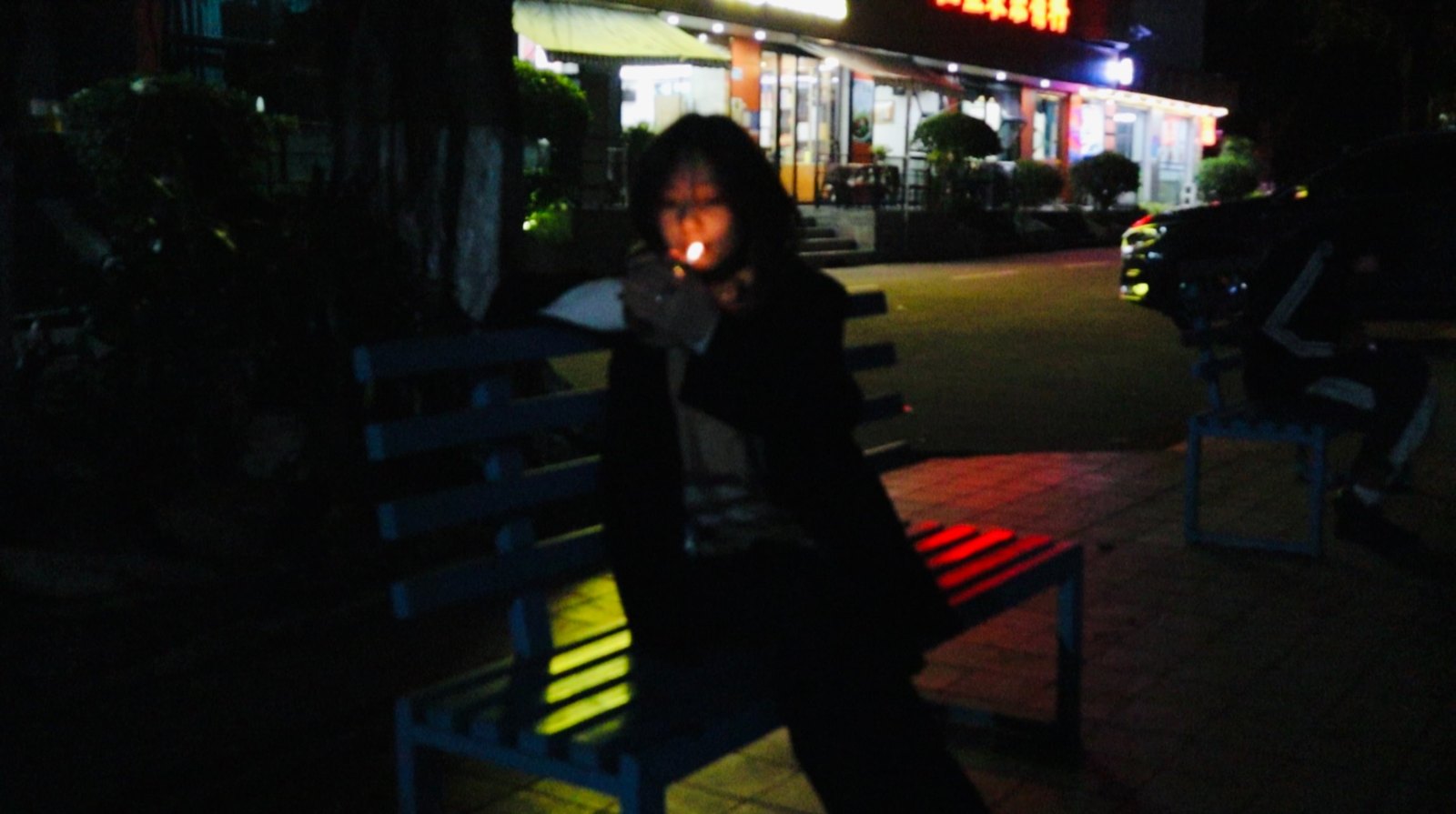
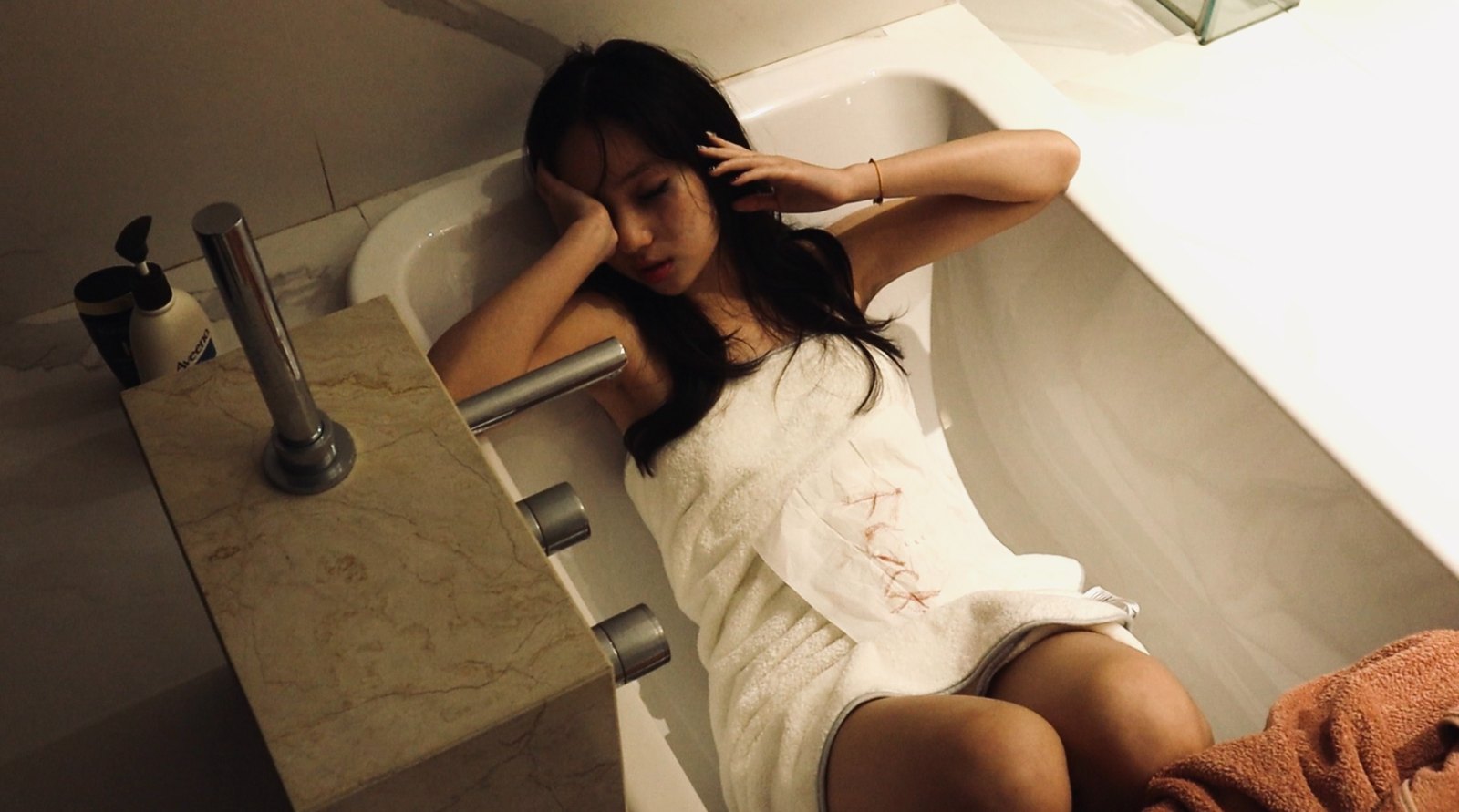
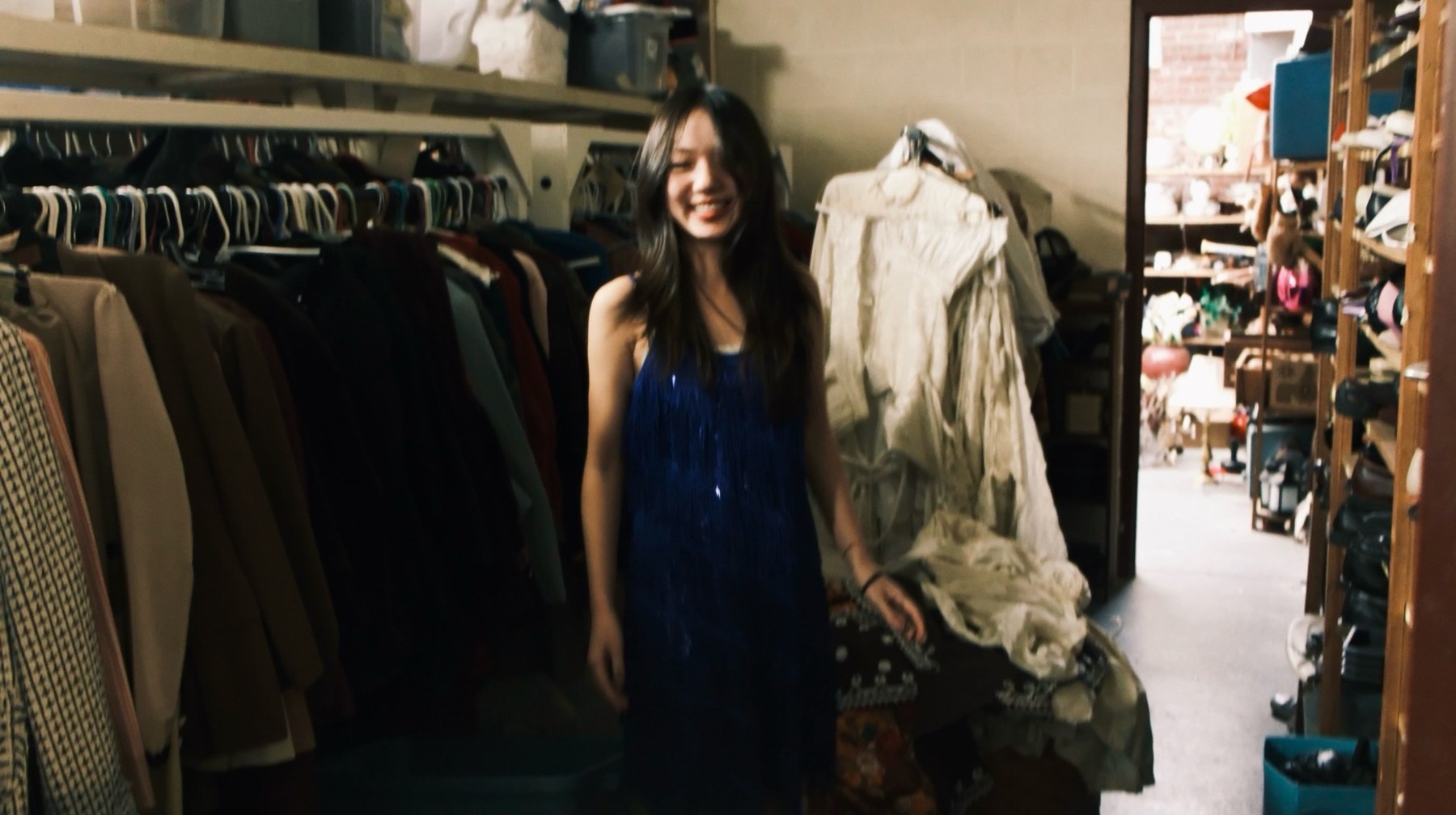
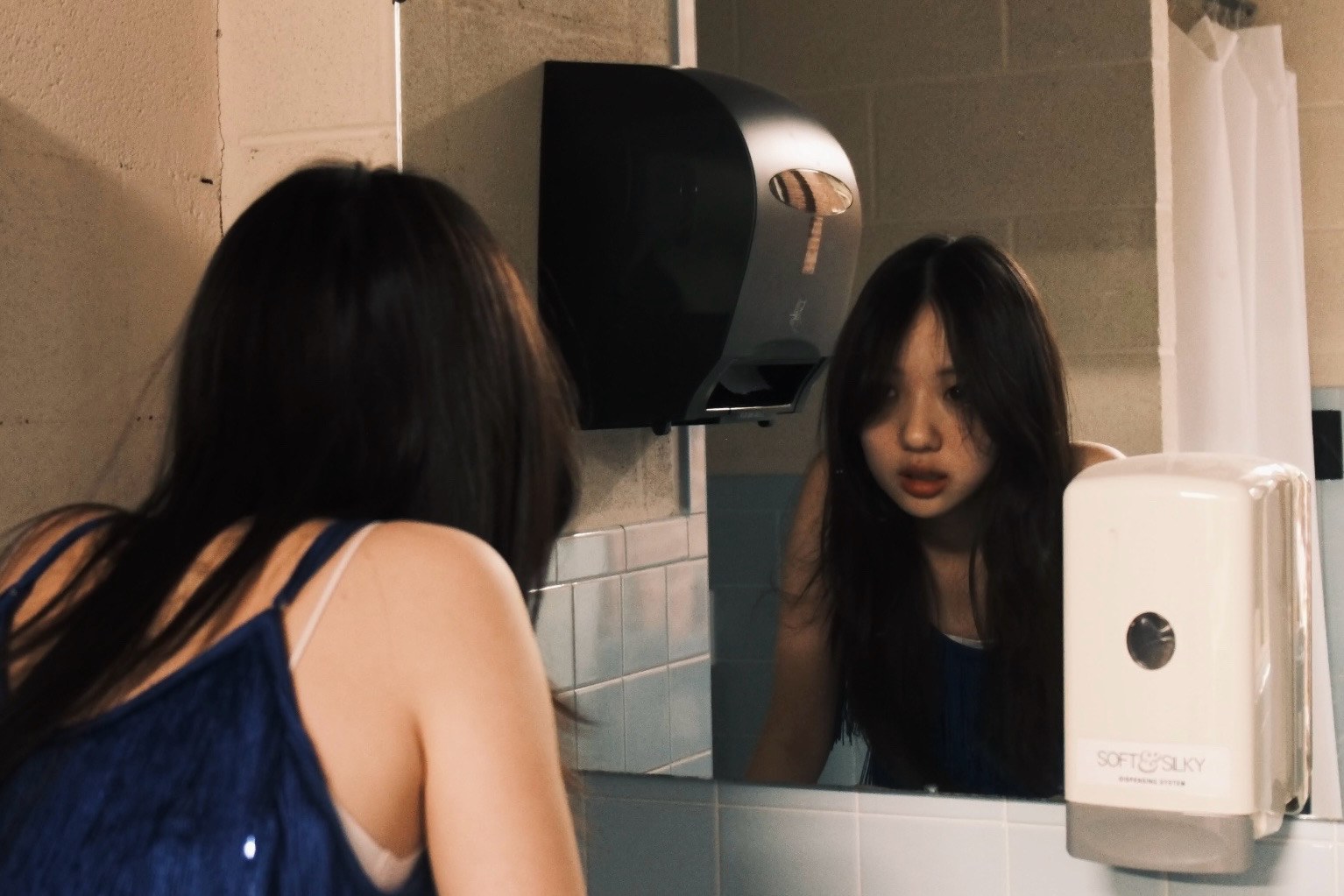
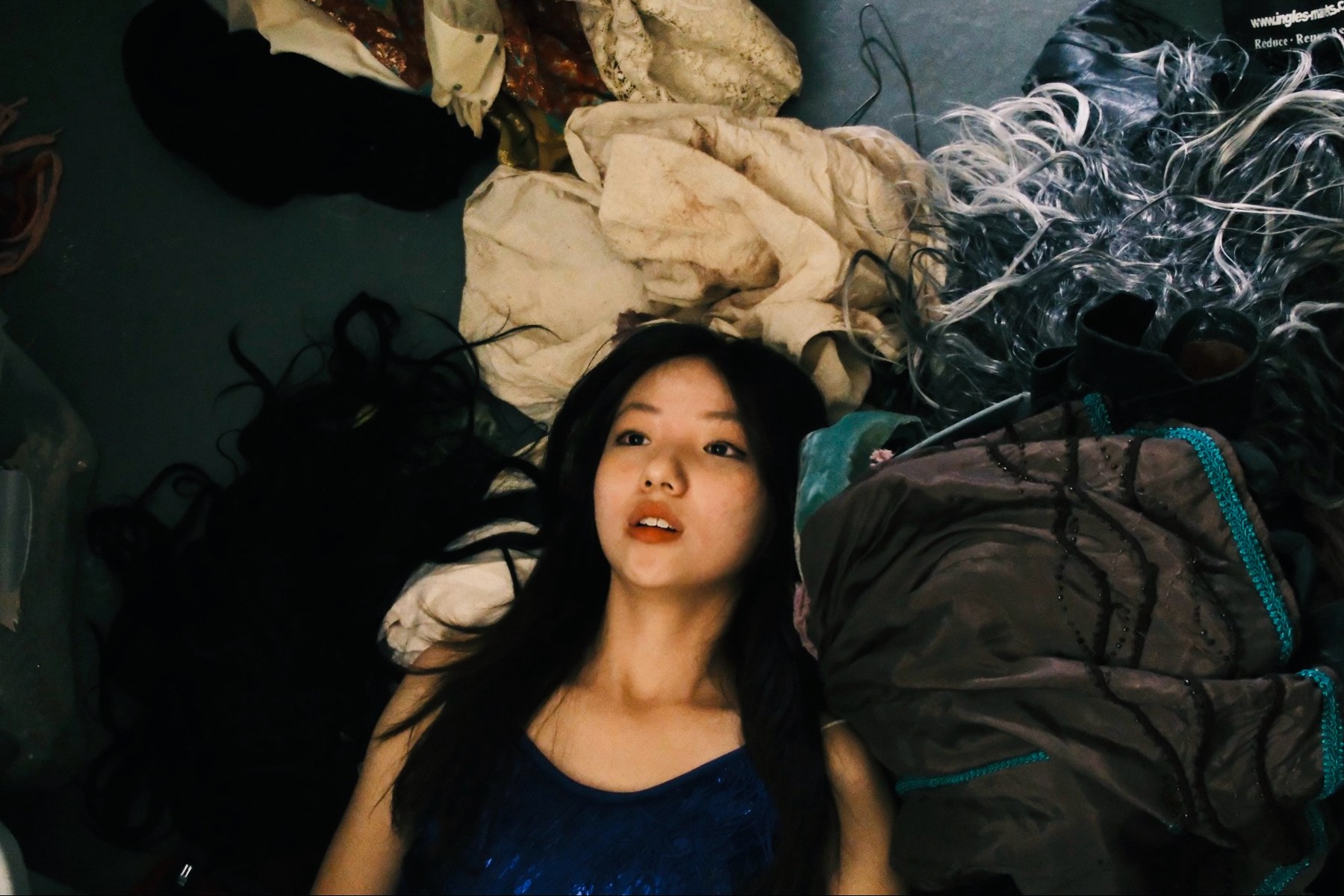
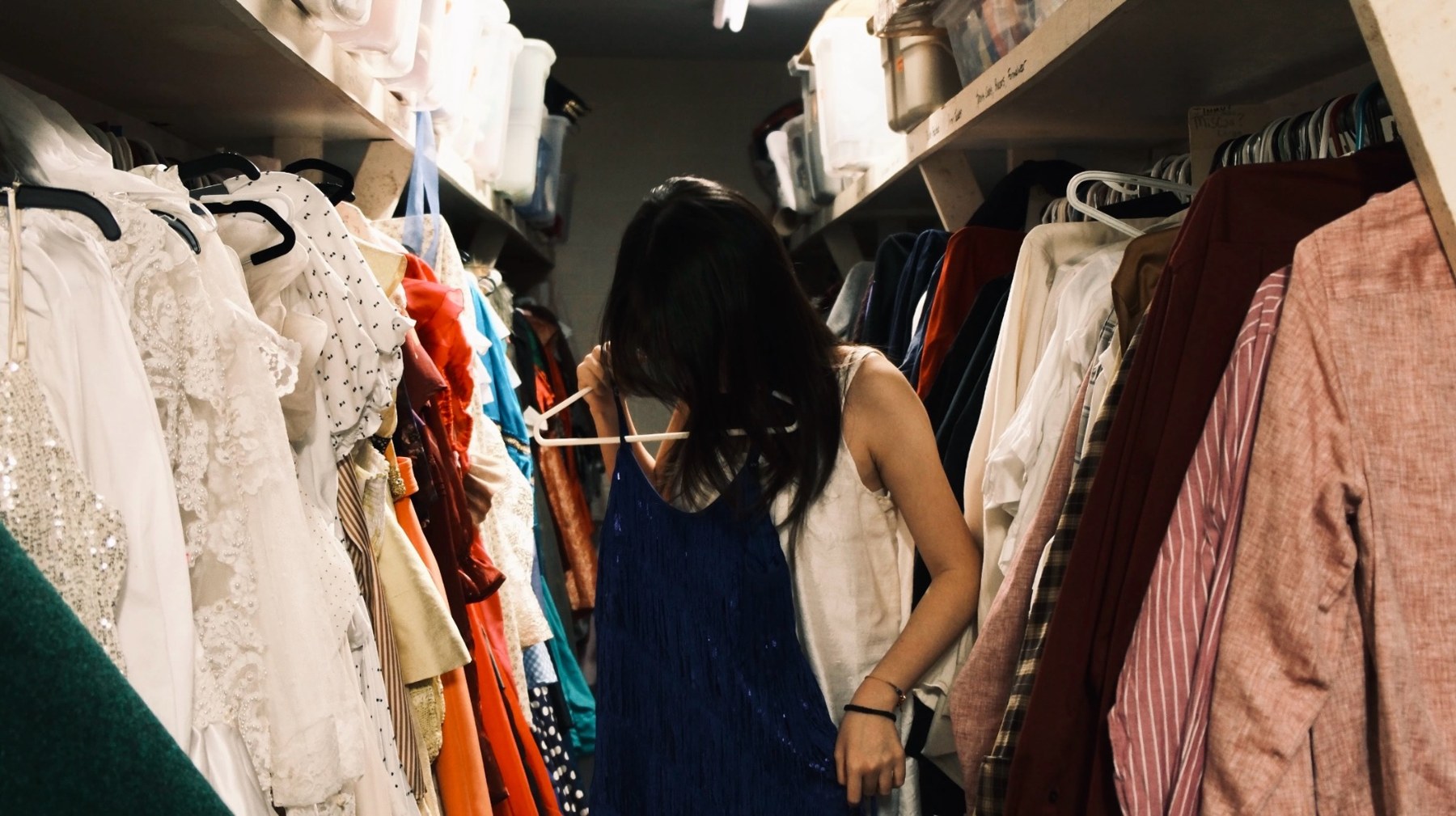
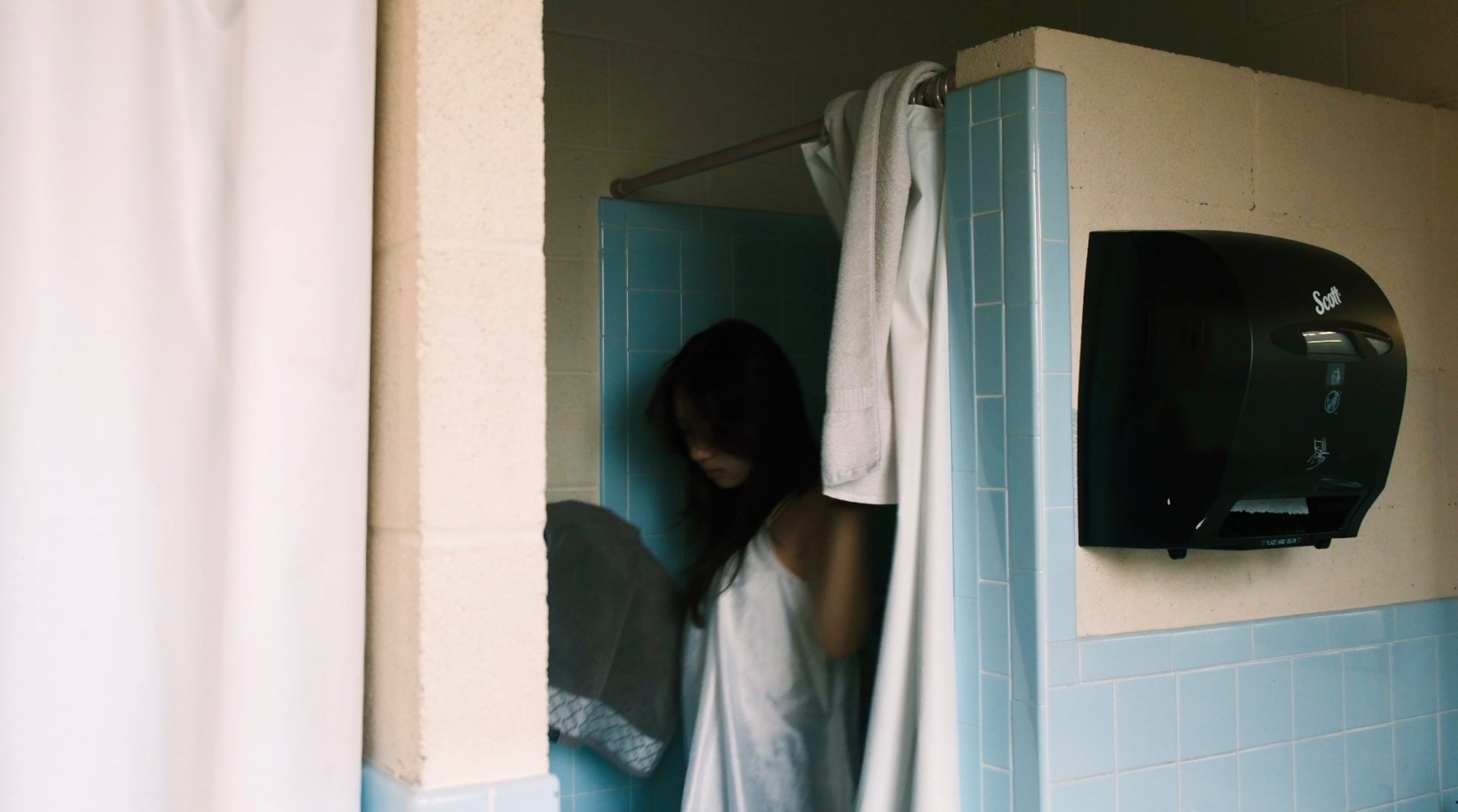
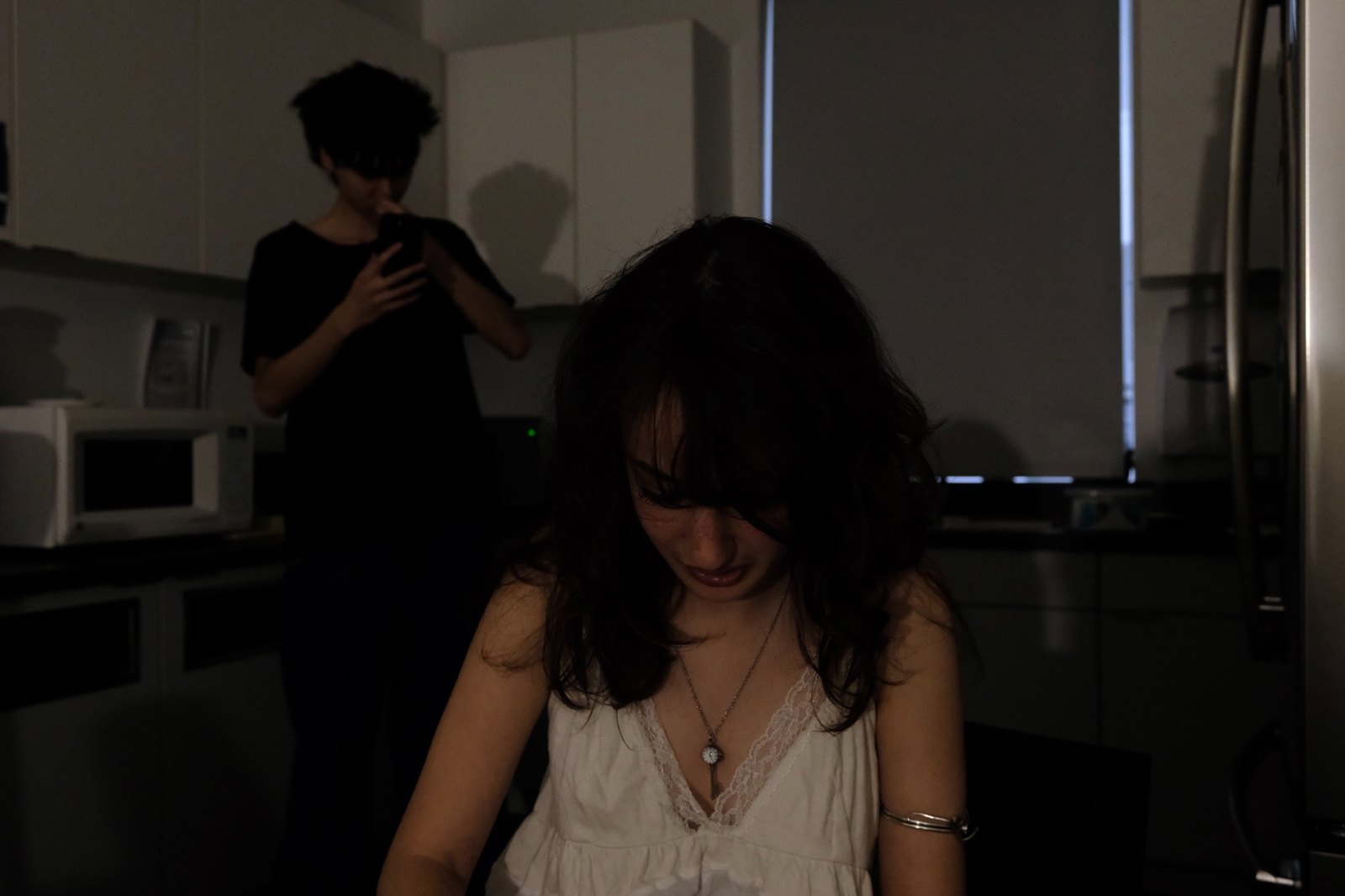
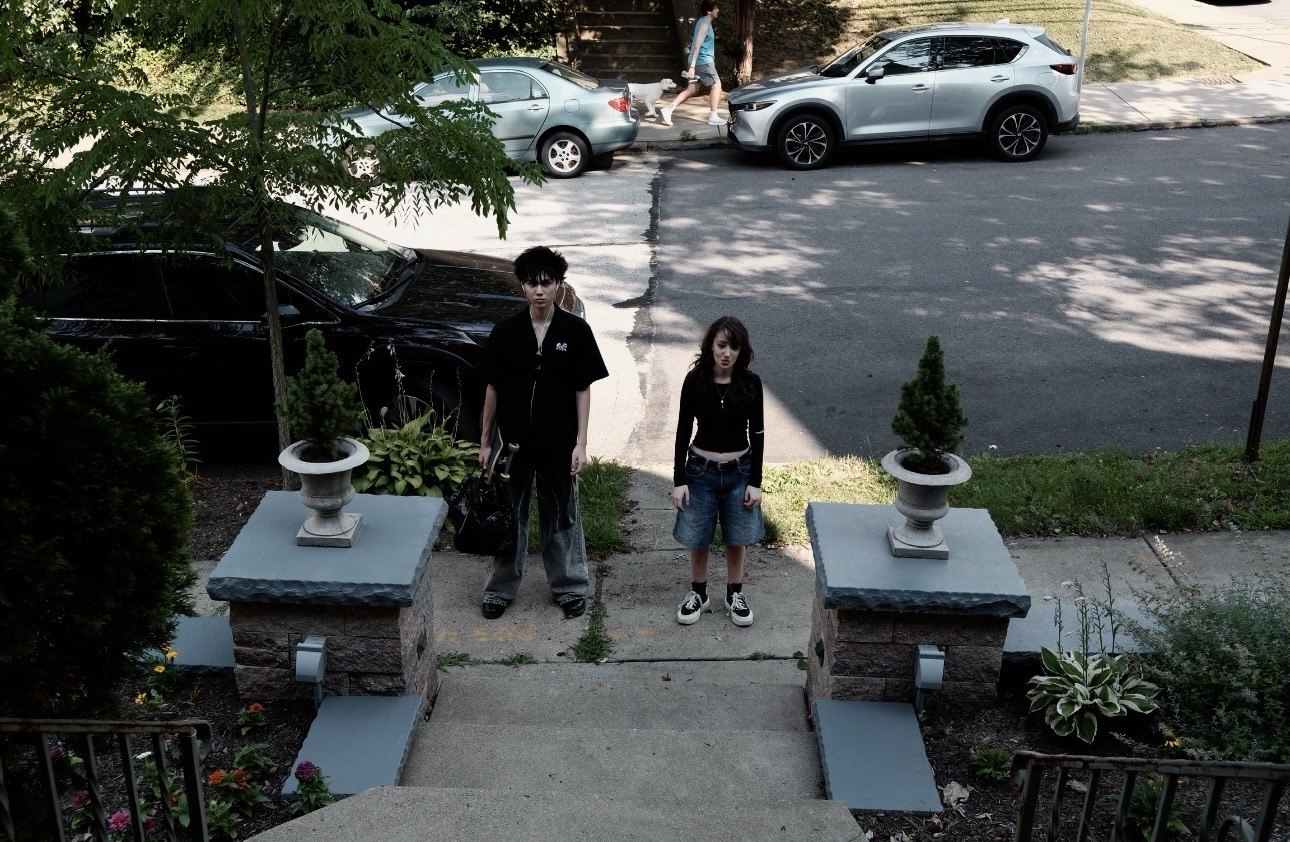
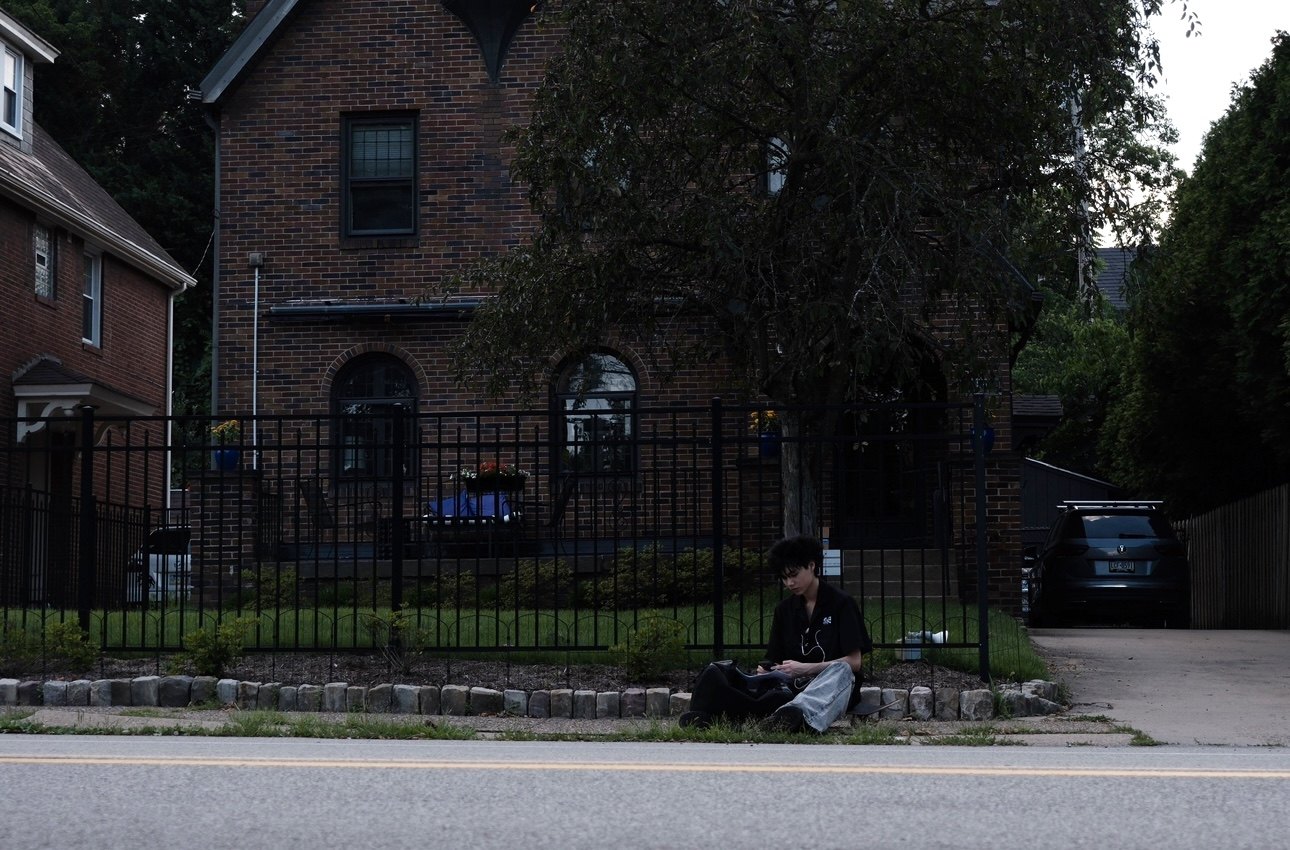
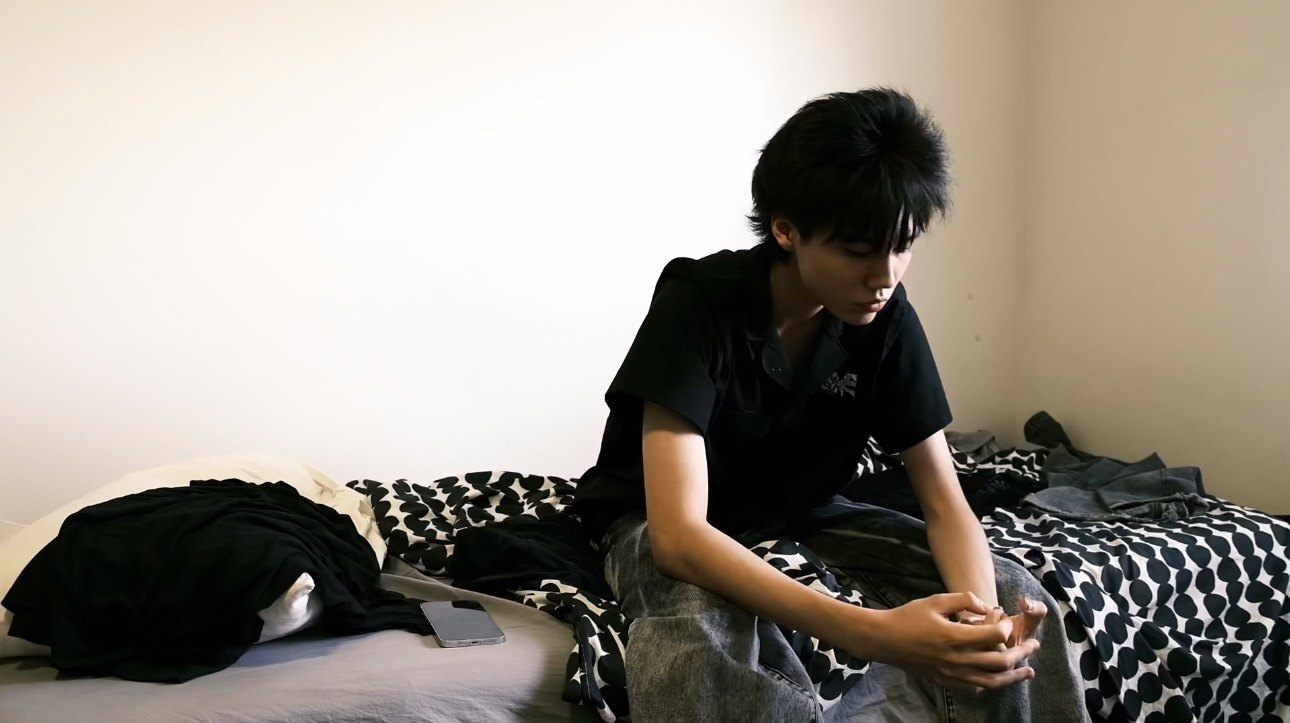
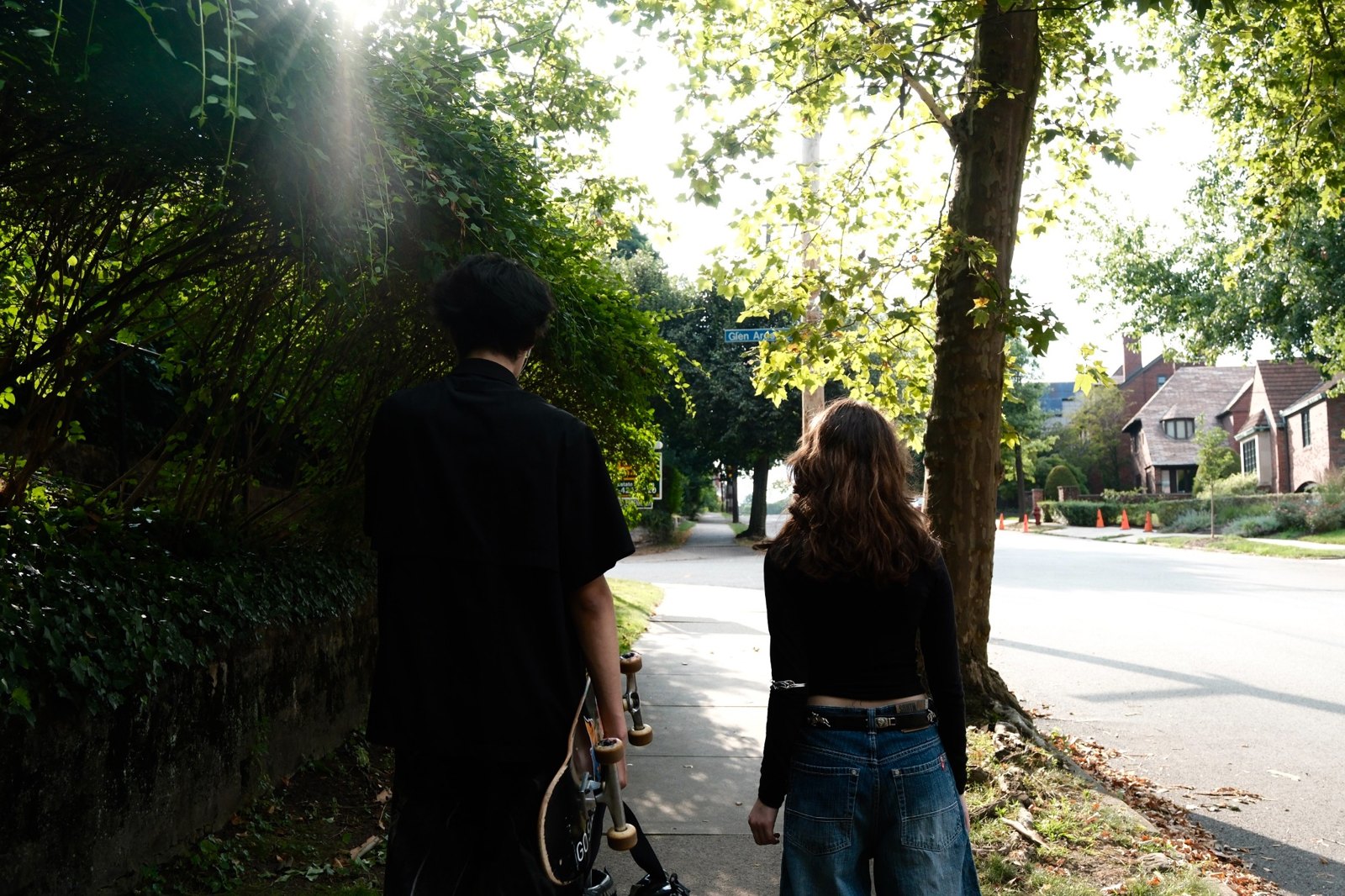
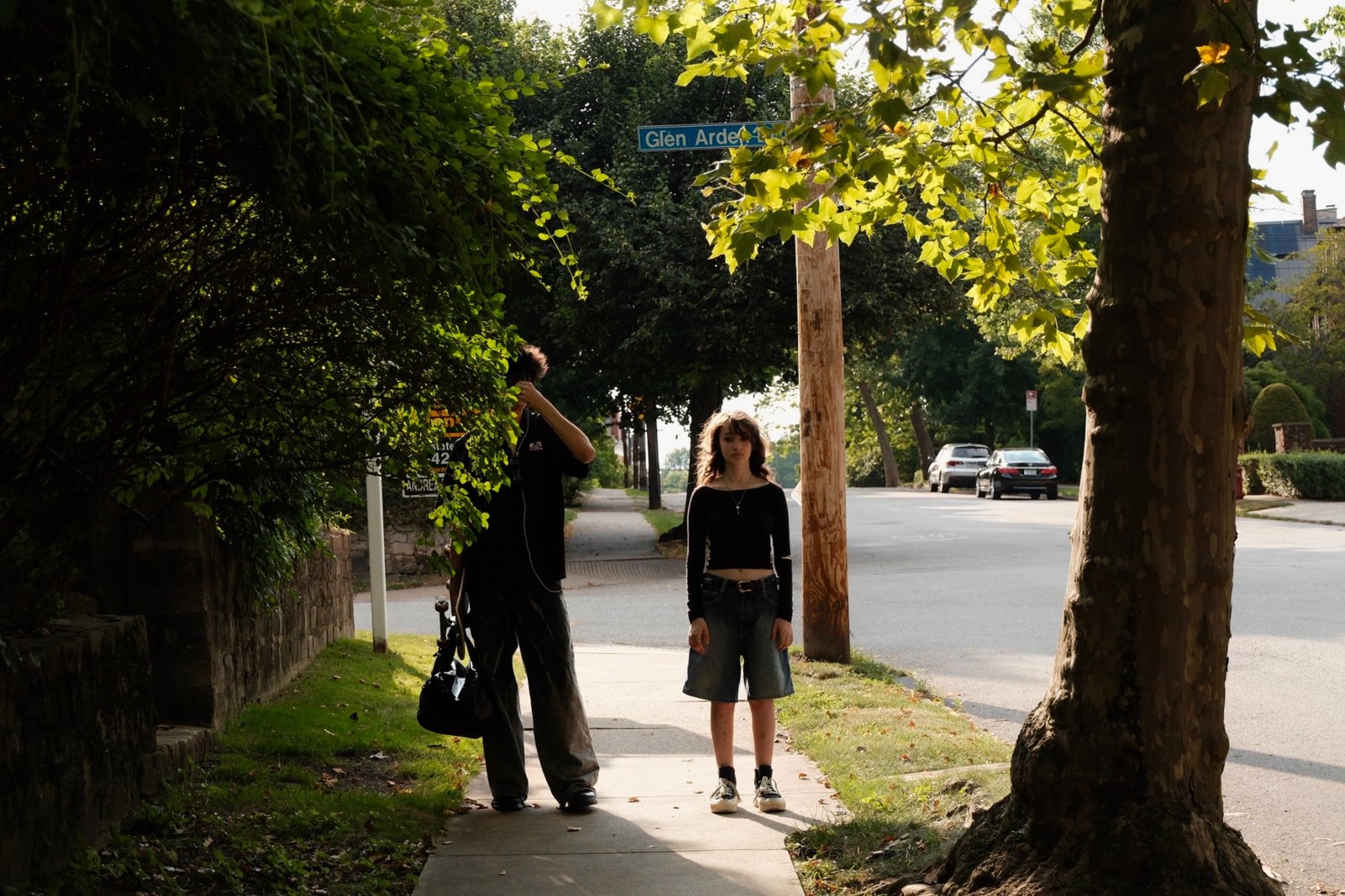
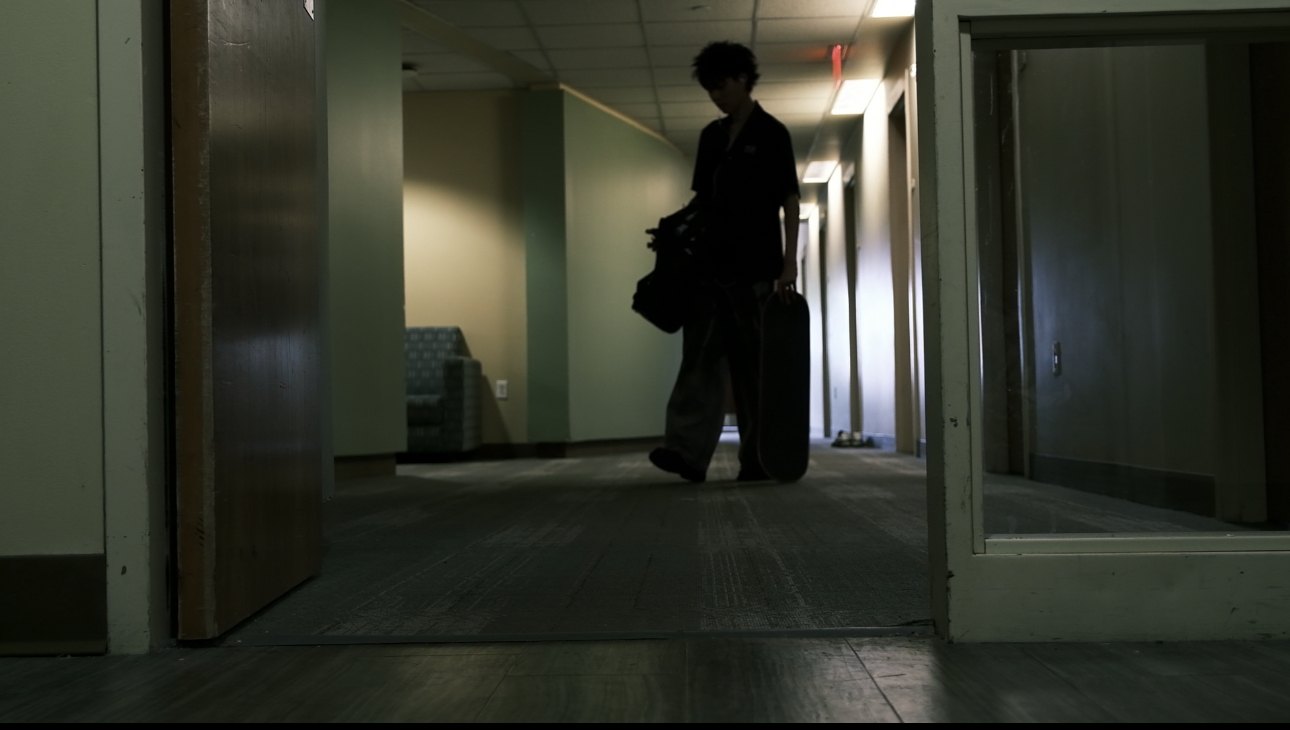
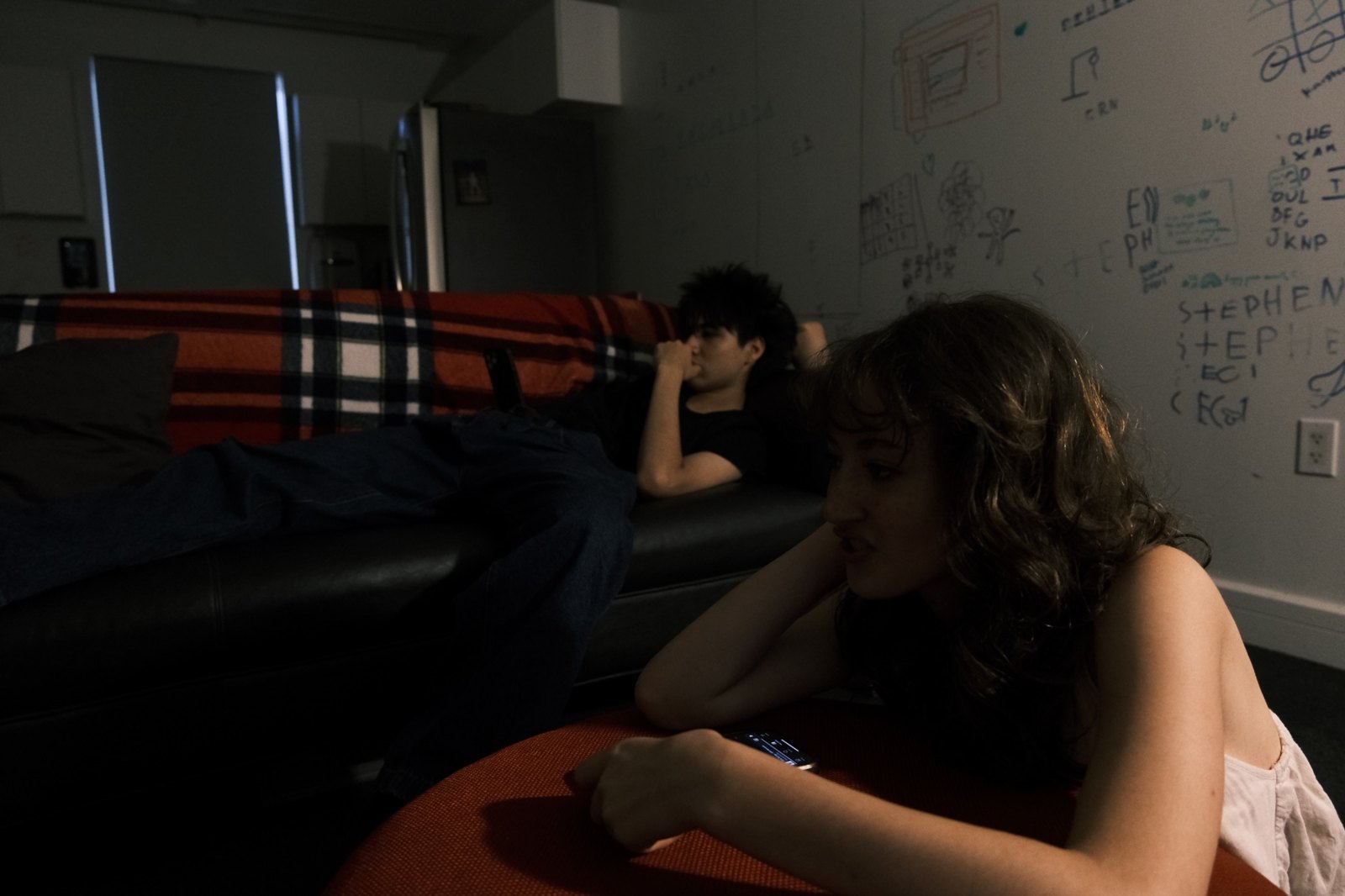
Sara Wan’s debut short film brings her love of cinema and the written word into her first screenwriting and directing project. Starring Ren Mendez and Orli Azoulay, with behind-the-camera support from Yushan, the film grew through collaboration on location in Pittsburgh. Cover design by Ren Mendez.
Watch on YouTube ↗My Name is Julian / Behind the scenes
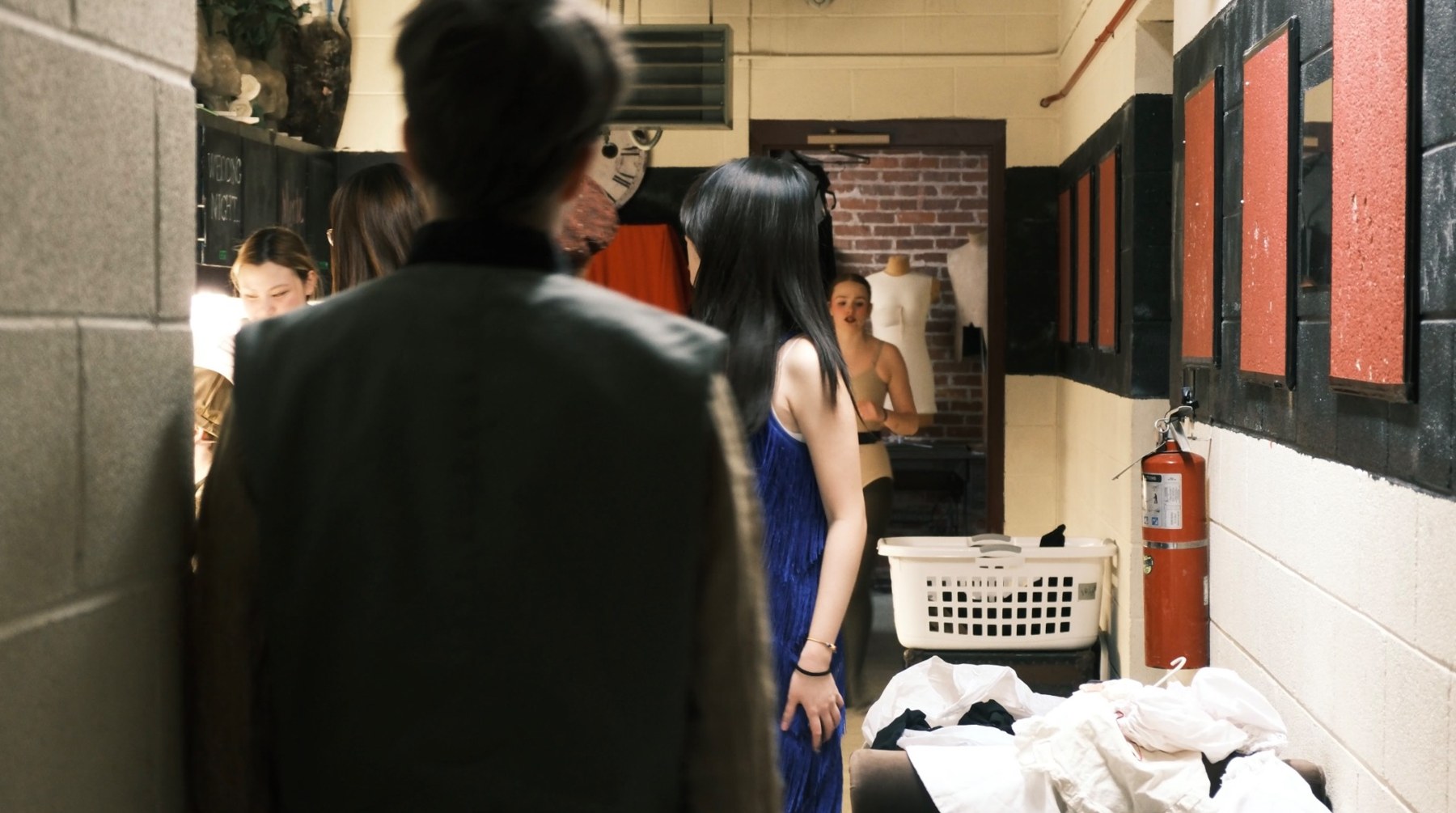
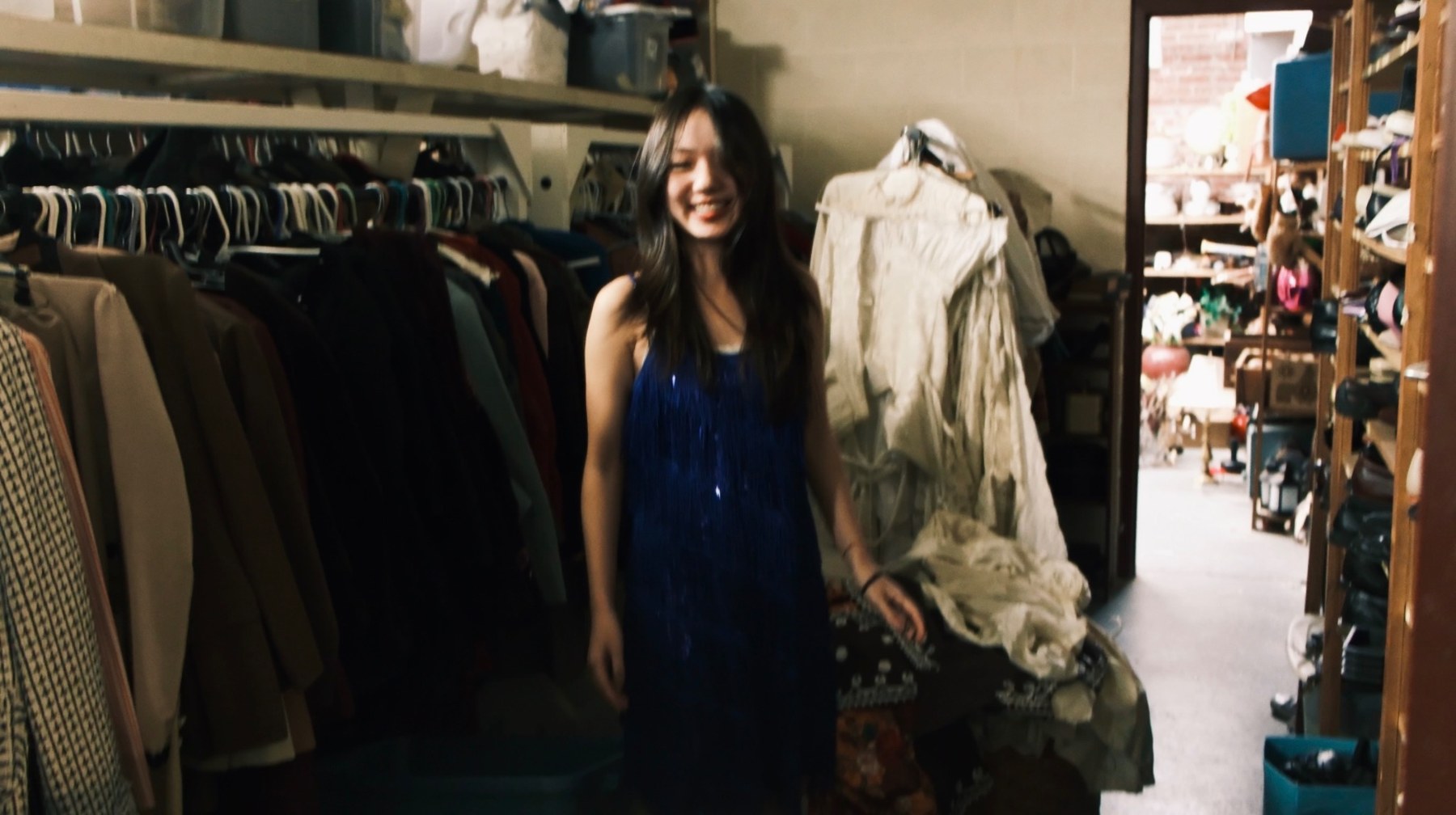
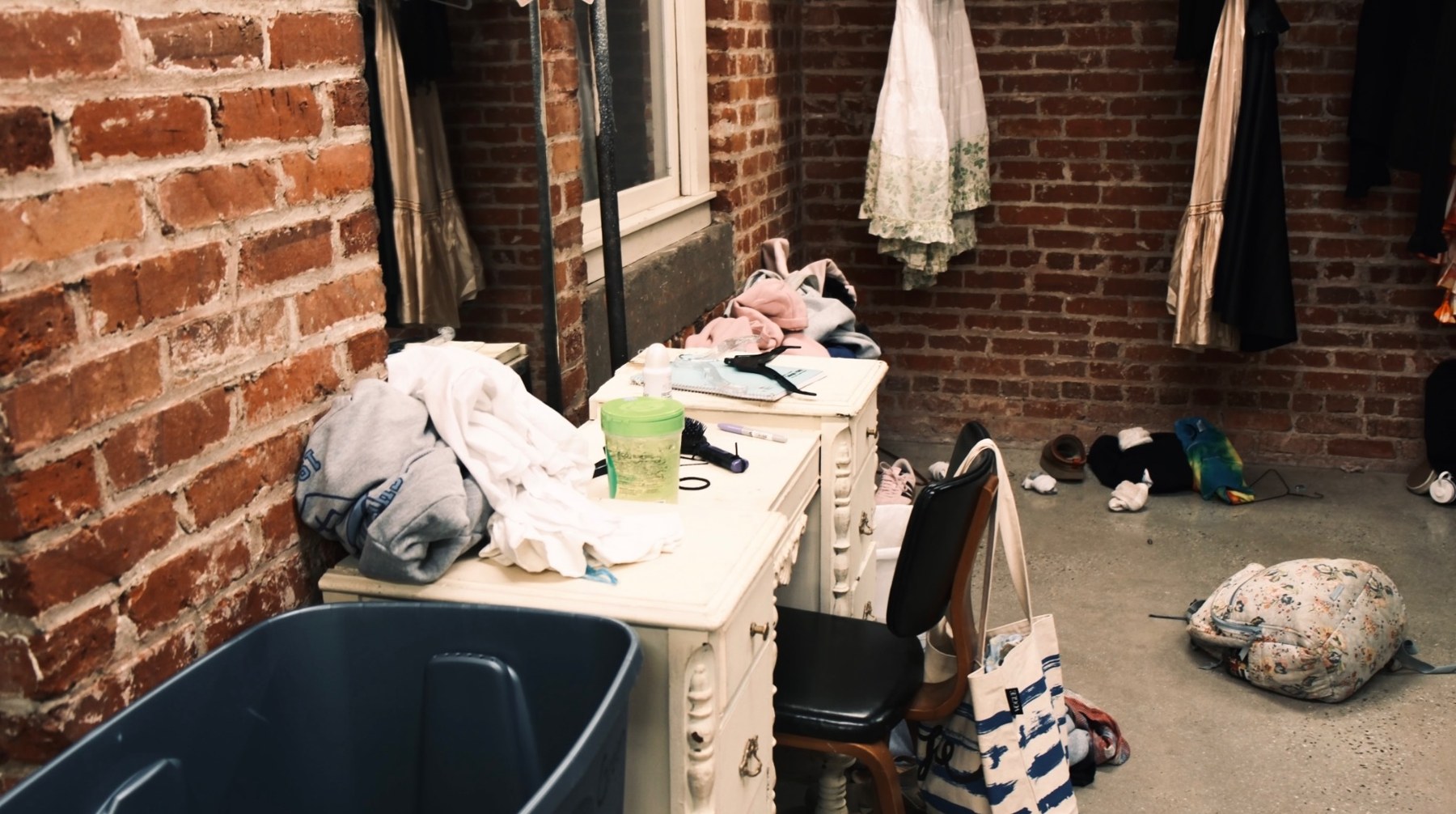
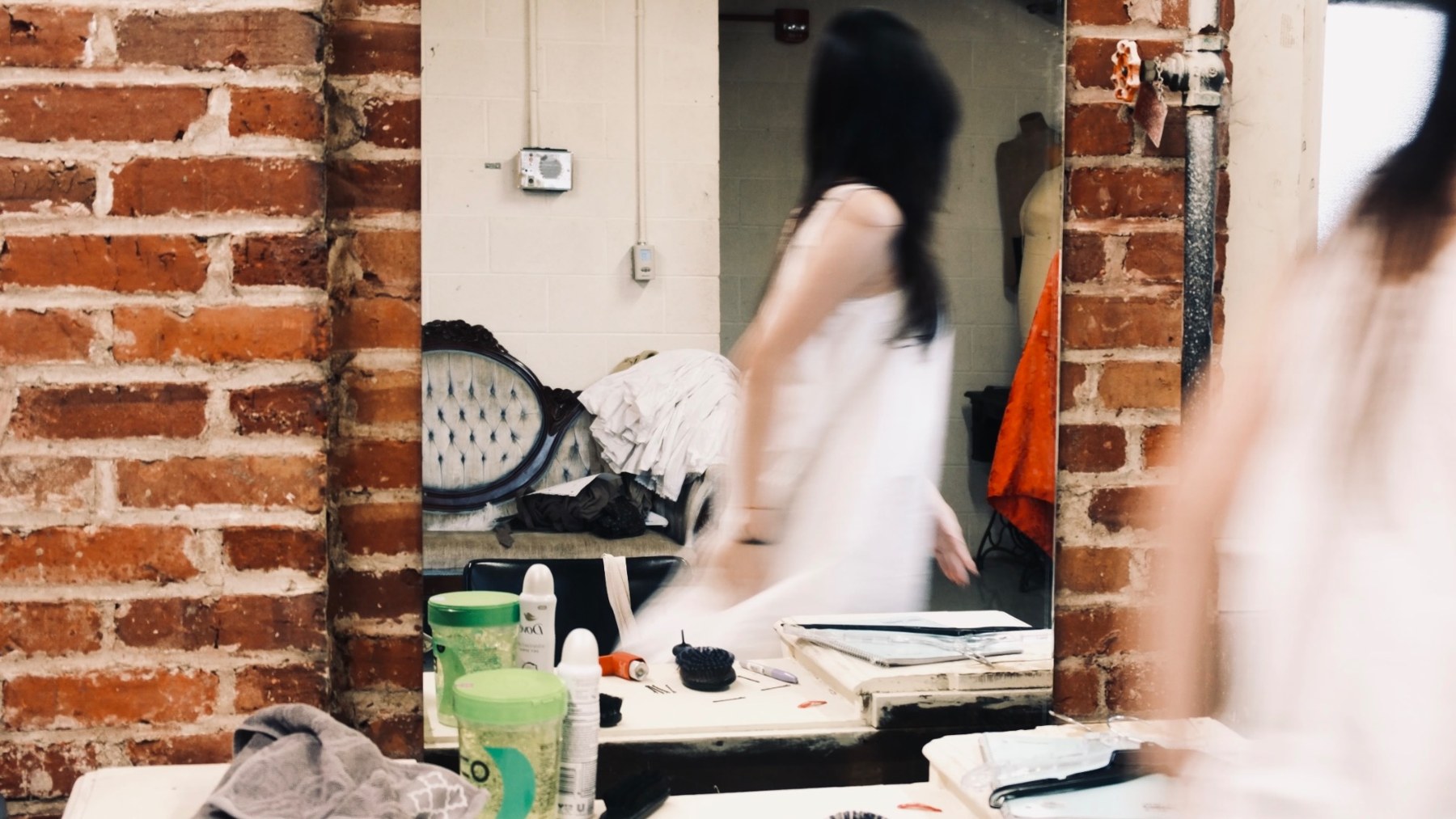
A film in the making
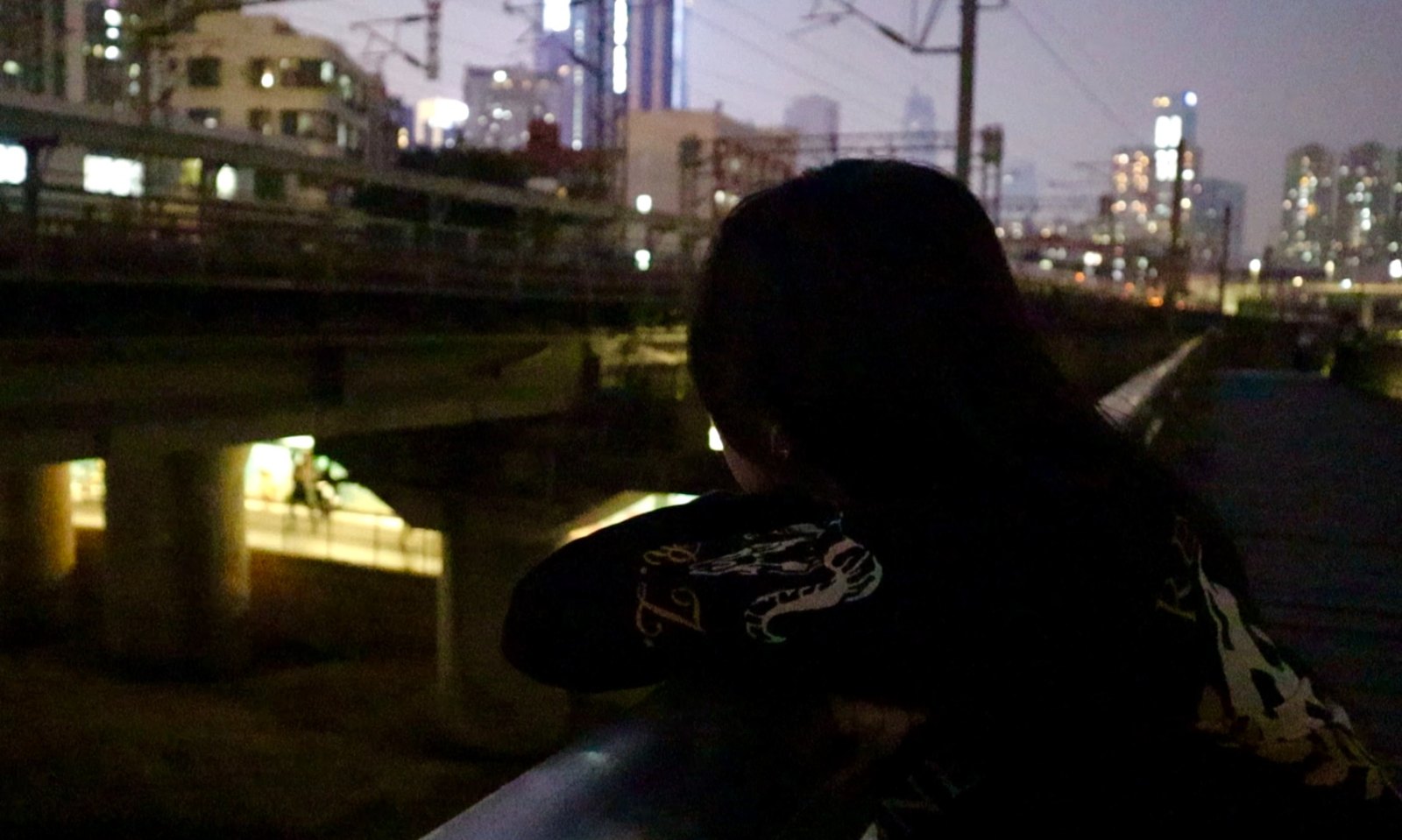
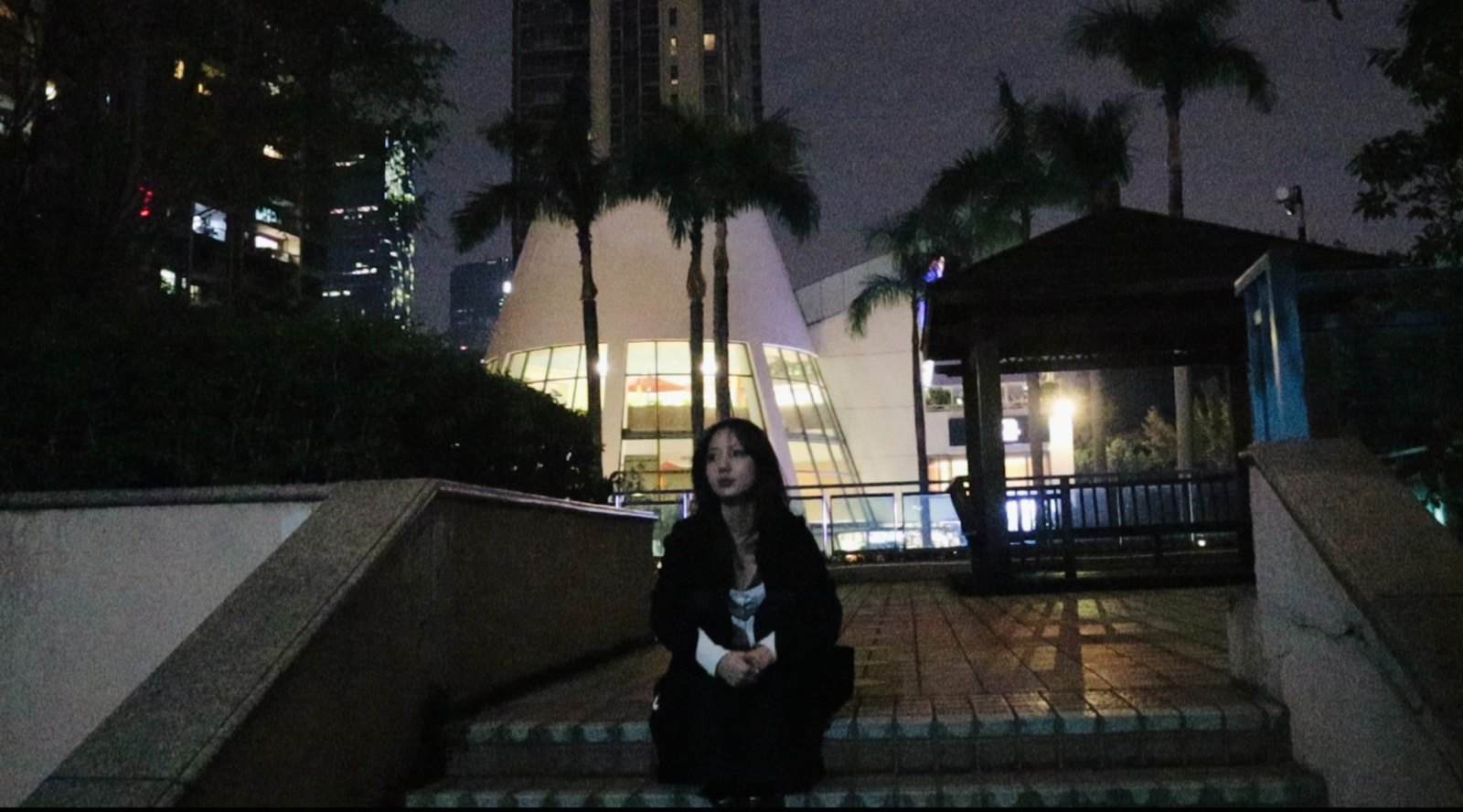
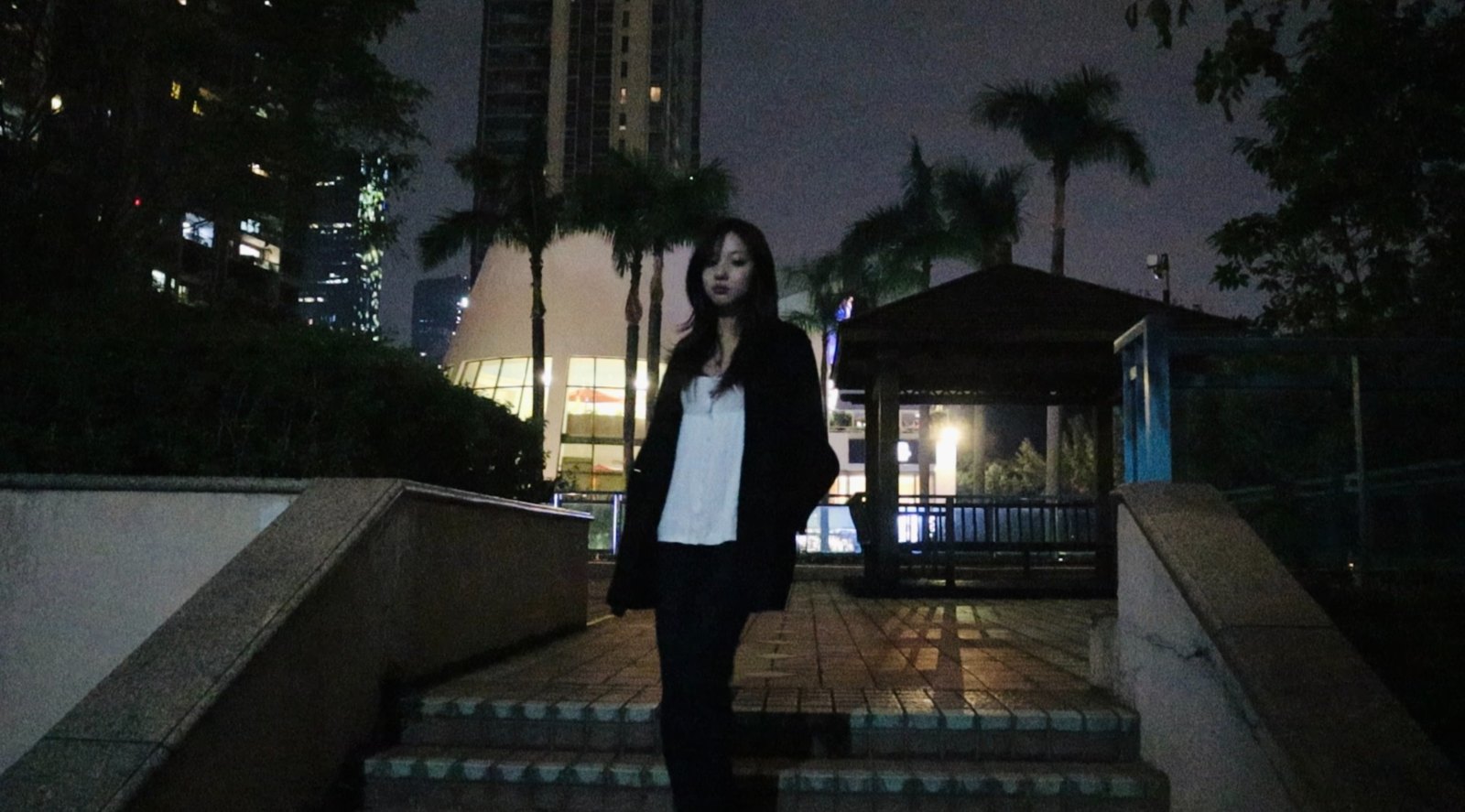
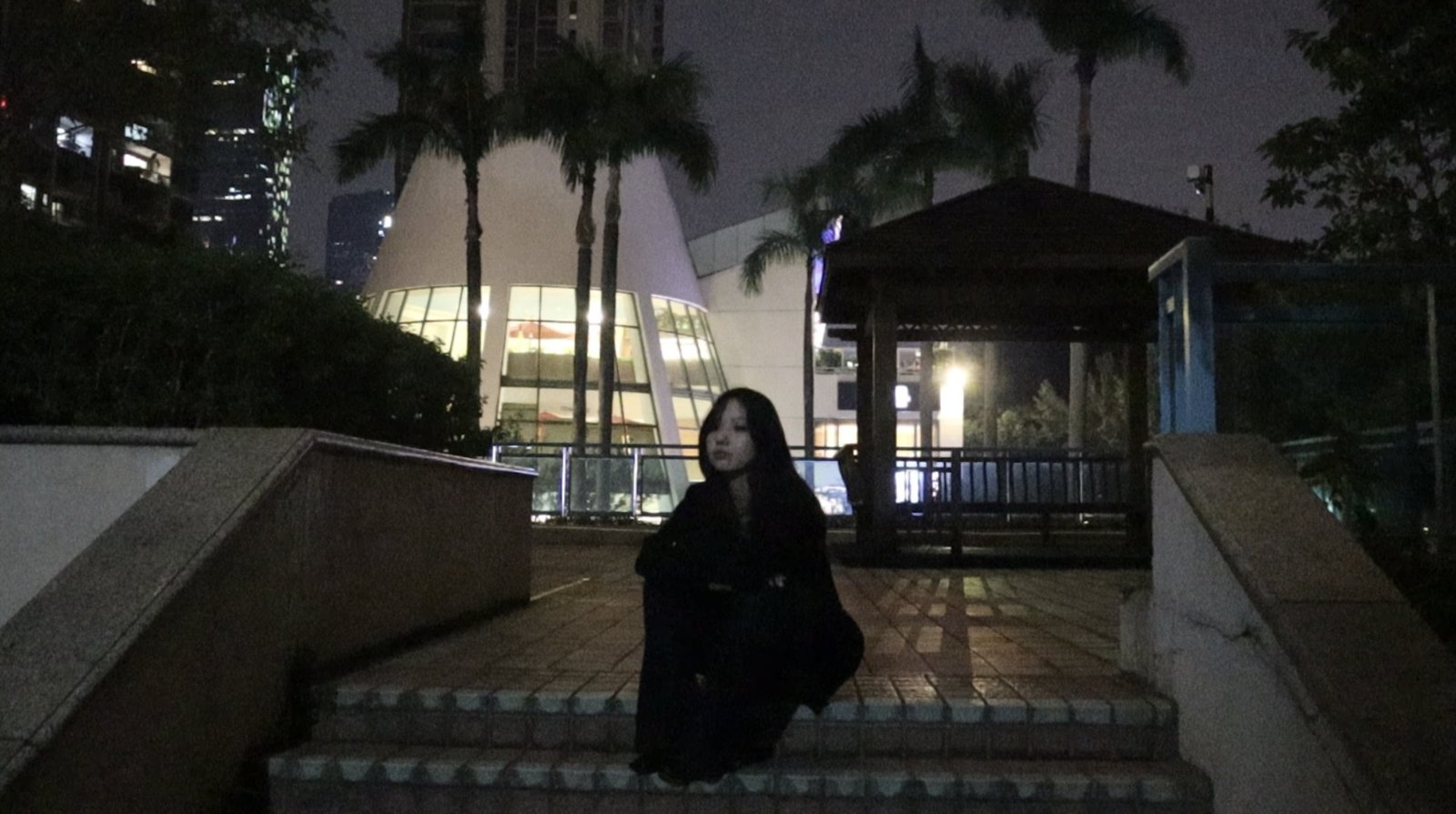
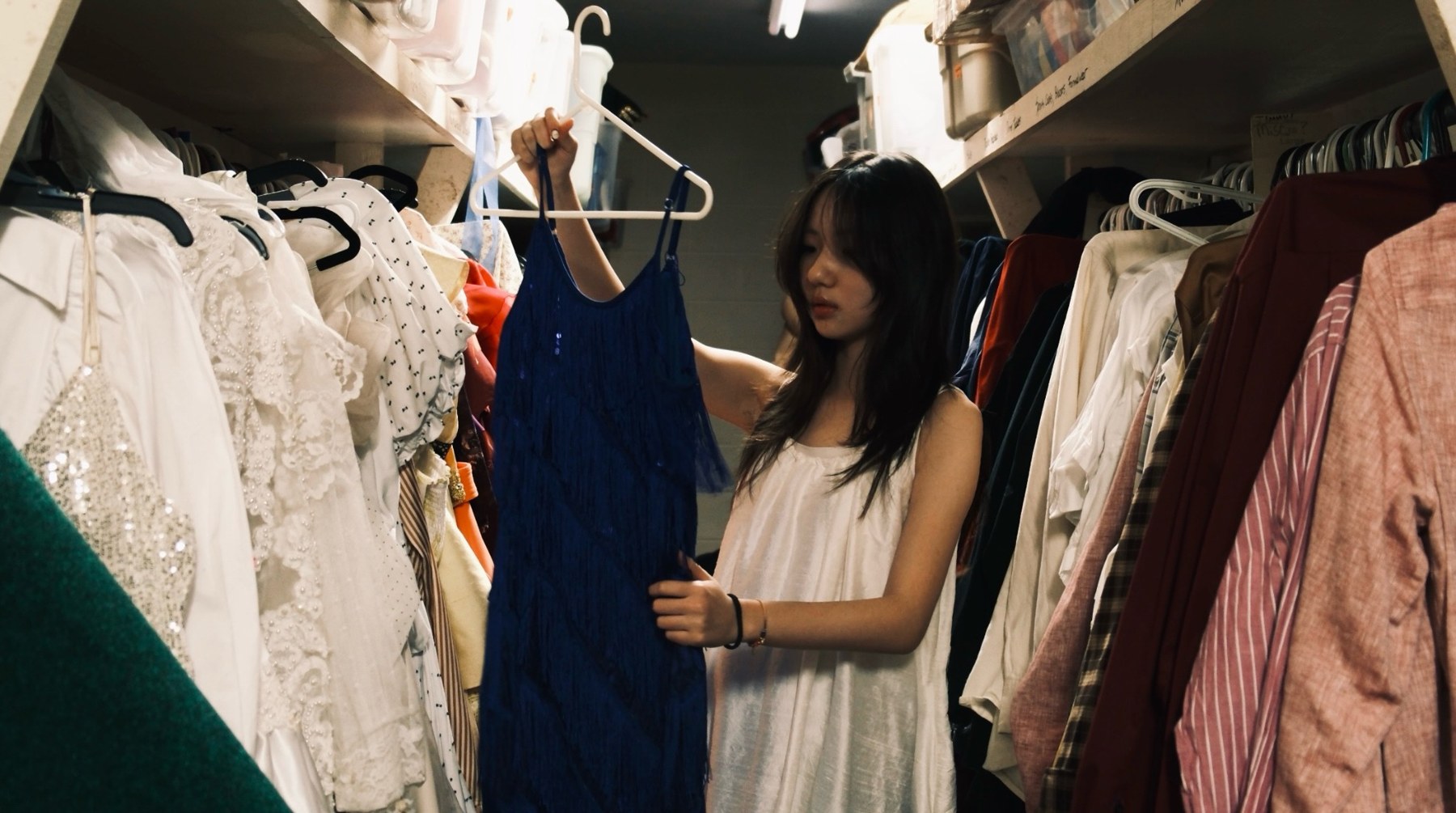
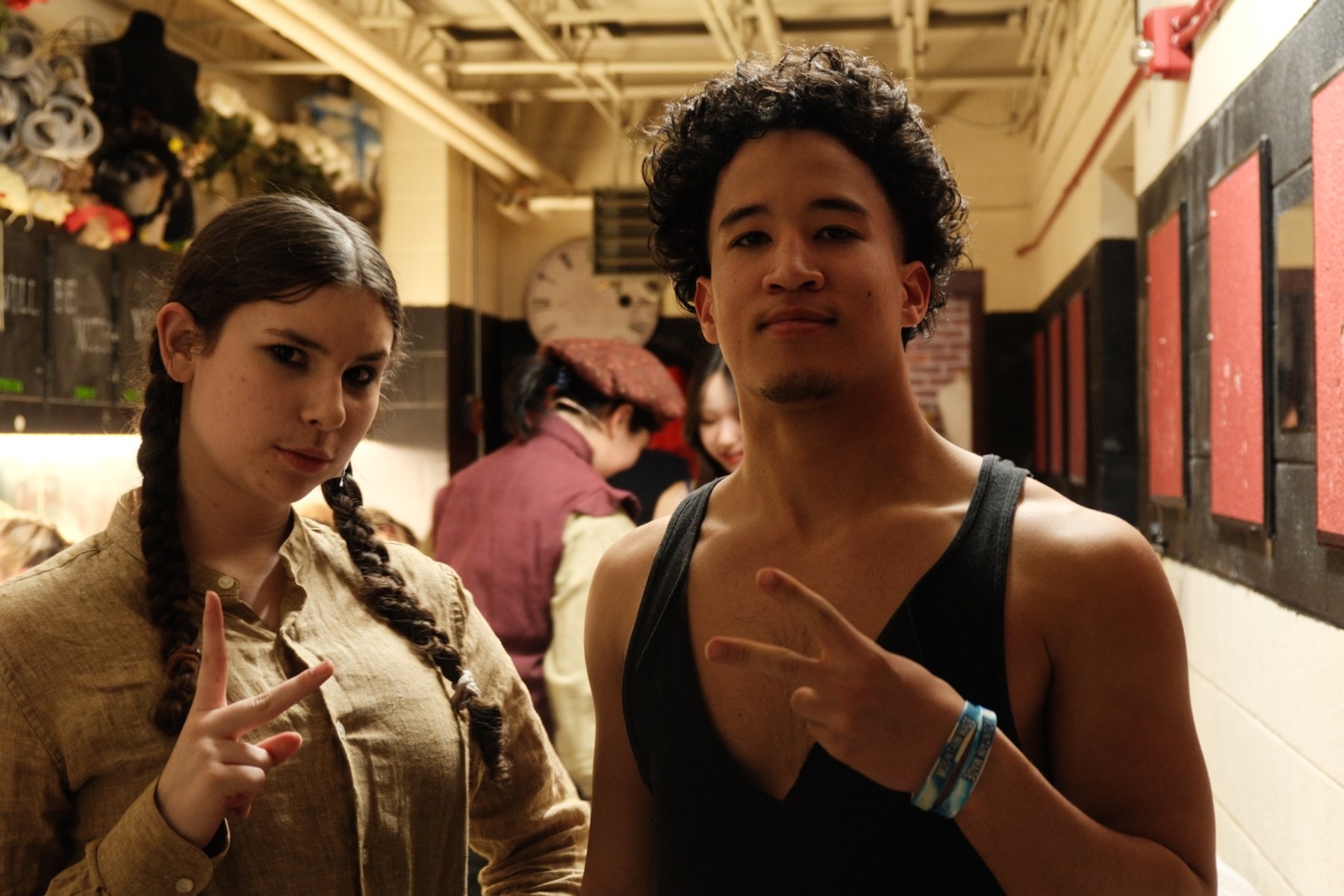
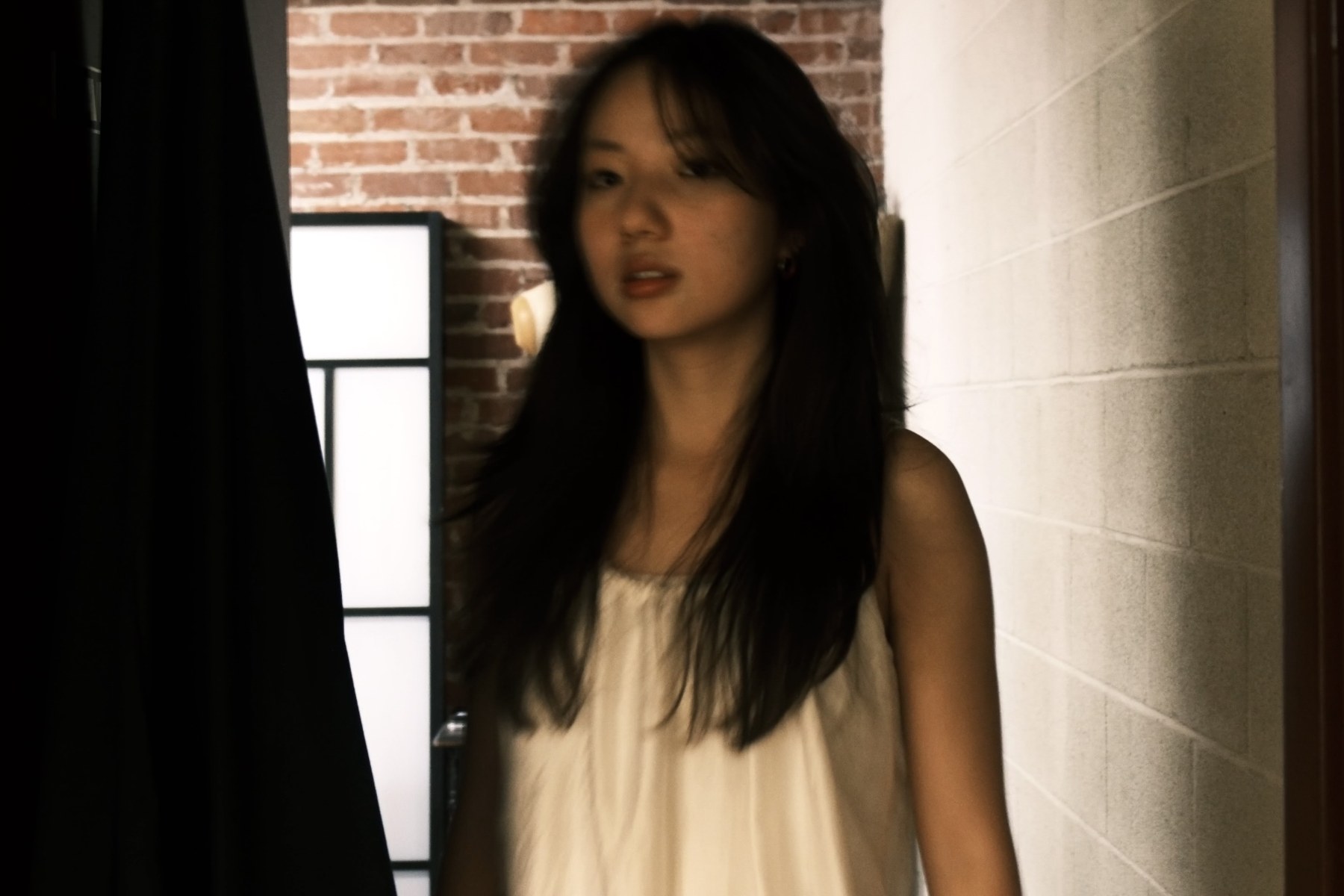
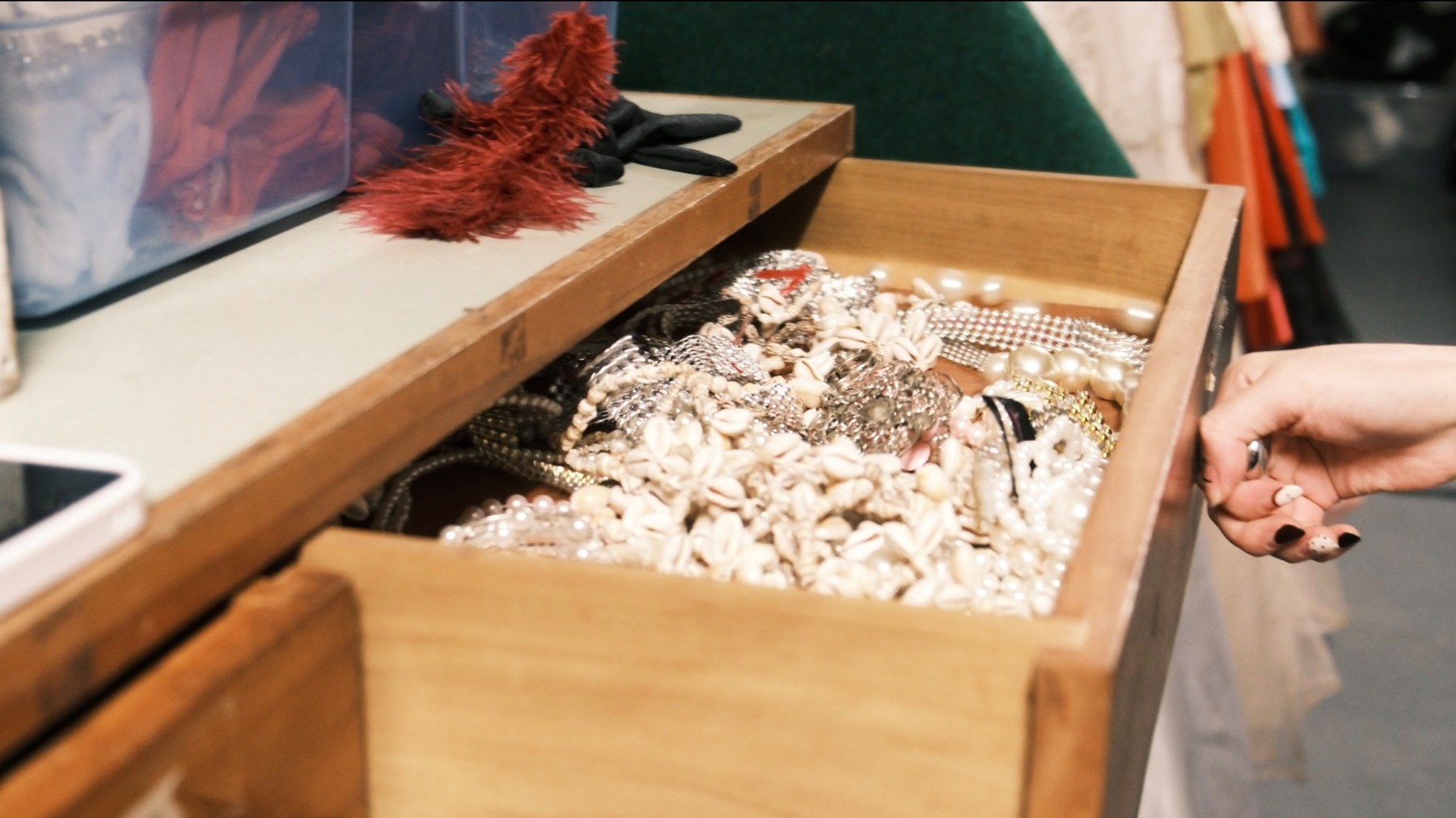
A look behind the scenes.
Select a photograph to view it larger.
Film development / Pitch deck
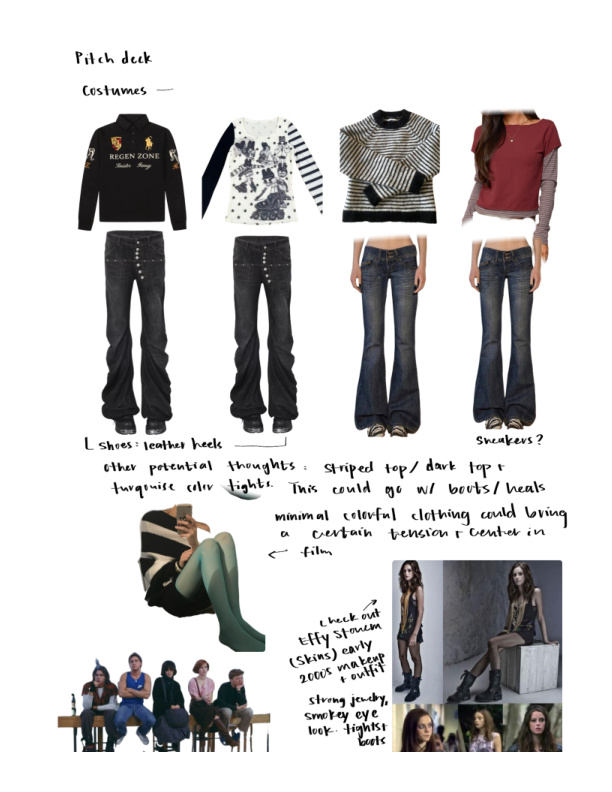
Untitled Short Film - Pitchdeck
7 pages · PDF
Untitled Short Film / Behind the scenes
A film in the making
A look behind the scenes.
Select a photograph to view it larger.
Cinepoetry / Short film
Cinepoetry — Short Film
Short film / Literary interpretation
A Streetcar Named Desire — Short Film & Reflection
Created at the conclusion of my study of Tennessee Williams’s A Streetcar Named Desire, this short film examines Blanche’s preoccupation with her appearance as a strategy for survival. Through close reading, I explore how her need for reassurance shapes her relationship with reality—and how the effort to remain presentable becomes increasingly difficult to sustain.
The film develops a concise literary argument from Blanche’s dialogue and Williams’s stage directions. Light and changes of location provide visual anchors for an interpretation of illusion, while music and other characters’ responses reveal the pressures beneath Blanche’s carefully maintained self-presentation.
Reflections on the film
Appearance as a survival strategy
Blanche’s early description of light as a “merciless glare” first drew me in. Her ability to steer conversation toward anxiety about her appearance suggested something more consequential than vanity. I read her search for spoken praise as a survival strategy: reassurance briefly steadies her, but leaves her dependent on other people’s approval. My argument follows Blanche’s need for reassurance through Williams’s dialogue. The music adds to her growing panic as the image she presents becomes harder to sustain.
Reading reassurance differently
When Blanche tells Stella, “You haven’t said a word about my appearance,” I noted that compliments offer her consolation and peace of mind. I traced the movement from the light on page 11 to Stella’s reassurance on pages 14–15: “It’s just incredible… how well you’re looking.” On rereading, I began to see the compliment as an effort to manage Blanche’s emotions, rather than simply casual kindness. Without that reassurance, her need for approval keeps resurfacing. I also marked stage directions involving jungle sounds and the polka, reading them as another layer of her illusion and as signals that her control over her presentation is slipping.
The bathroom as a refuge
I interpret the bathroom as a temporary haven where Blanche can soothe her anxieties behind a wall of privacy. Singing “Paper Moon” and “From the Land of the Sky Blue Water” allows her to maintain an imagined world while shielding herself from scrutiny. The language of “make-believe” intensifies my reading of her reliance on reassurance and the fragile protection that performance offers.
When presentation meets scrutiny
Blanche’s insistence on managing her appearance can look like simple vanity. I read its repetition as central to her destruction: alongside the familial pressures that involve other characters, her fear of failing to appear presentable keeps her trapped in her own anxious judgments. While she sings about sky-blue water, Stanley presses for her papers. The audience can see those actions colliding, even as Blanche remains unaware of the scrutiny outside her refuge. Her efforts to preserve an image continue while others question the very reality that image is meant to sustain.
What the video form revealed
Making the film sharpened my interpretation by requiring me to choose a small set of visual anchors: the light motif and changes of location. Those images support the argument, but the argument itself depends on quotation and close reading. Translating the analysis into film helped me clarify how Blanche’s psychological unraveling, in my reading, connects to the loss of the approval on which she has come to rely.
A Streetcar Named Desire / Behind the scenes
Behind the scenes
Select a photograph to view it larger.
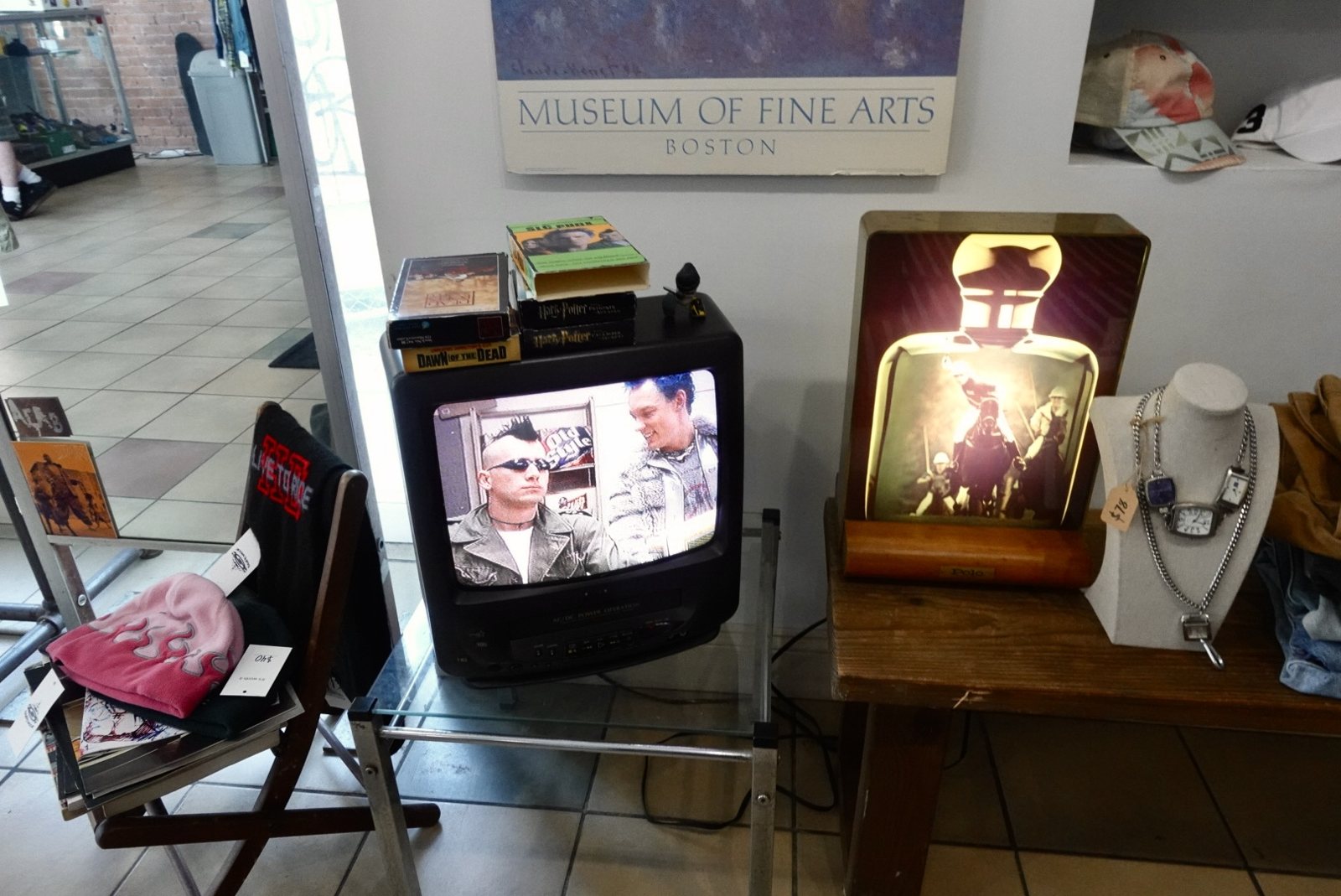
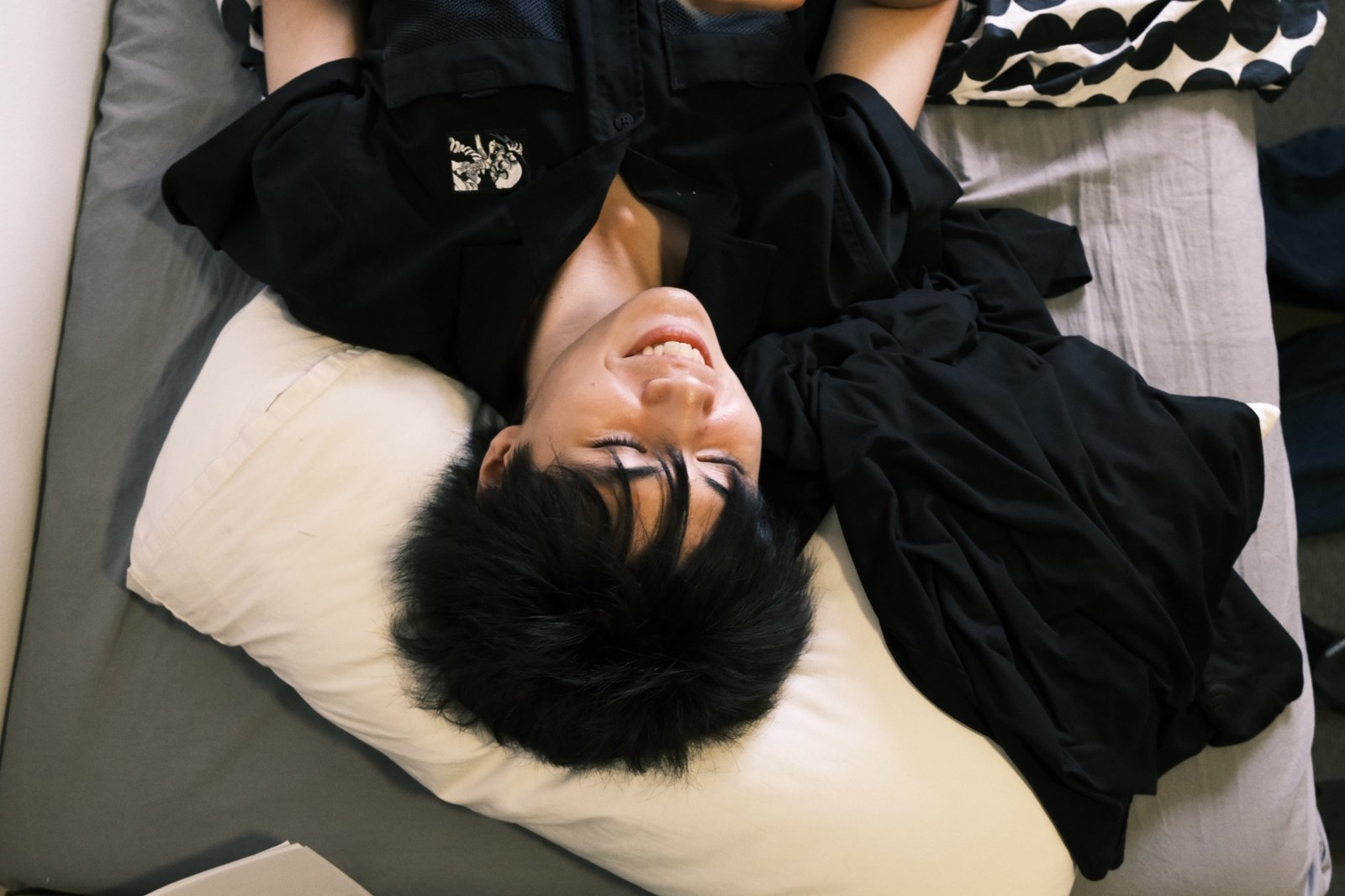 01 / MY NAME IS JULIAN
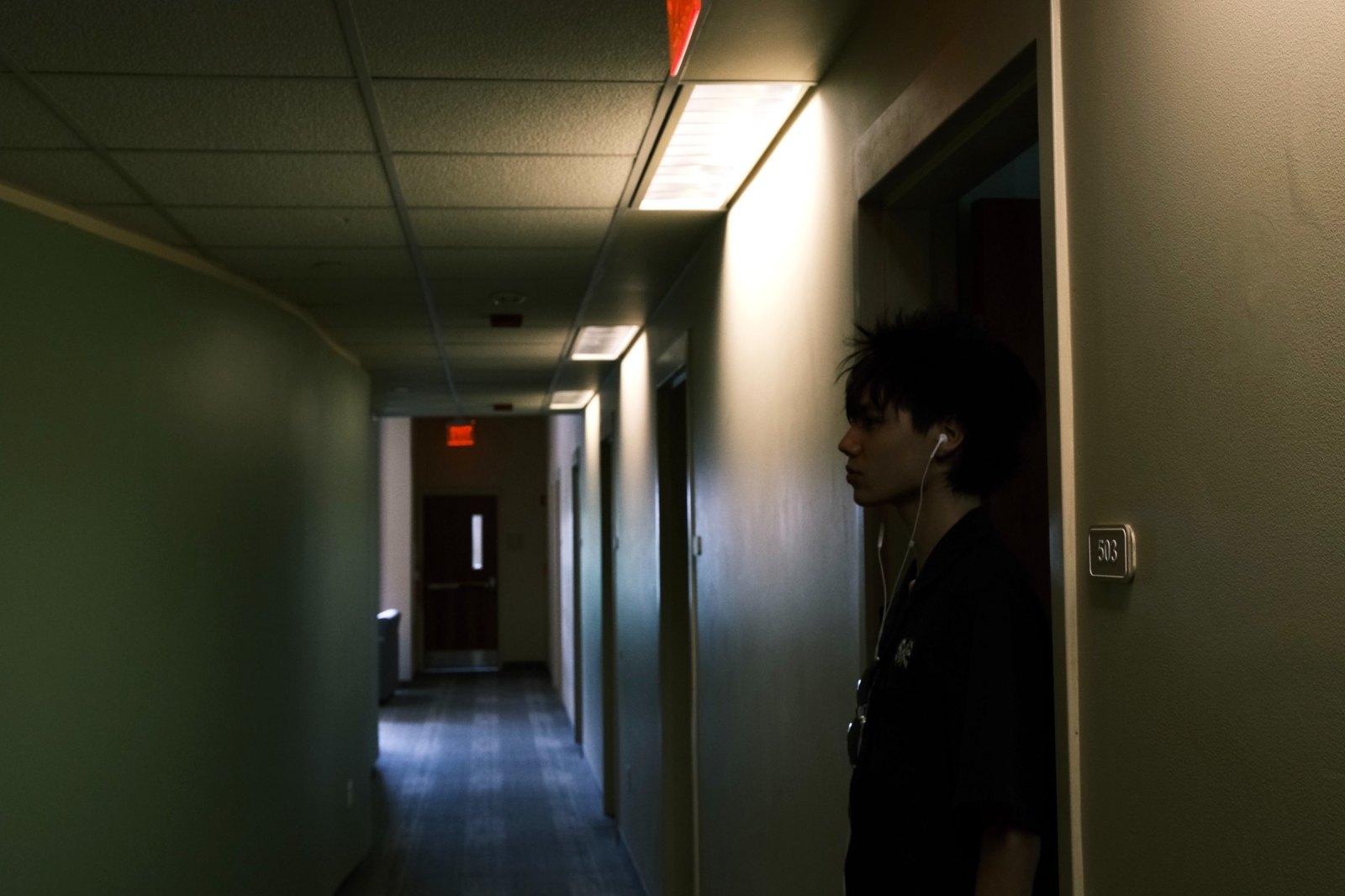 02 / MY NAME IS JULIAN
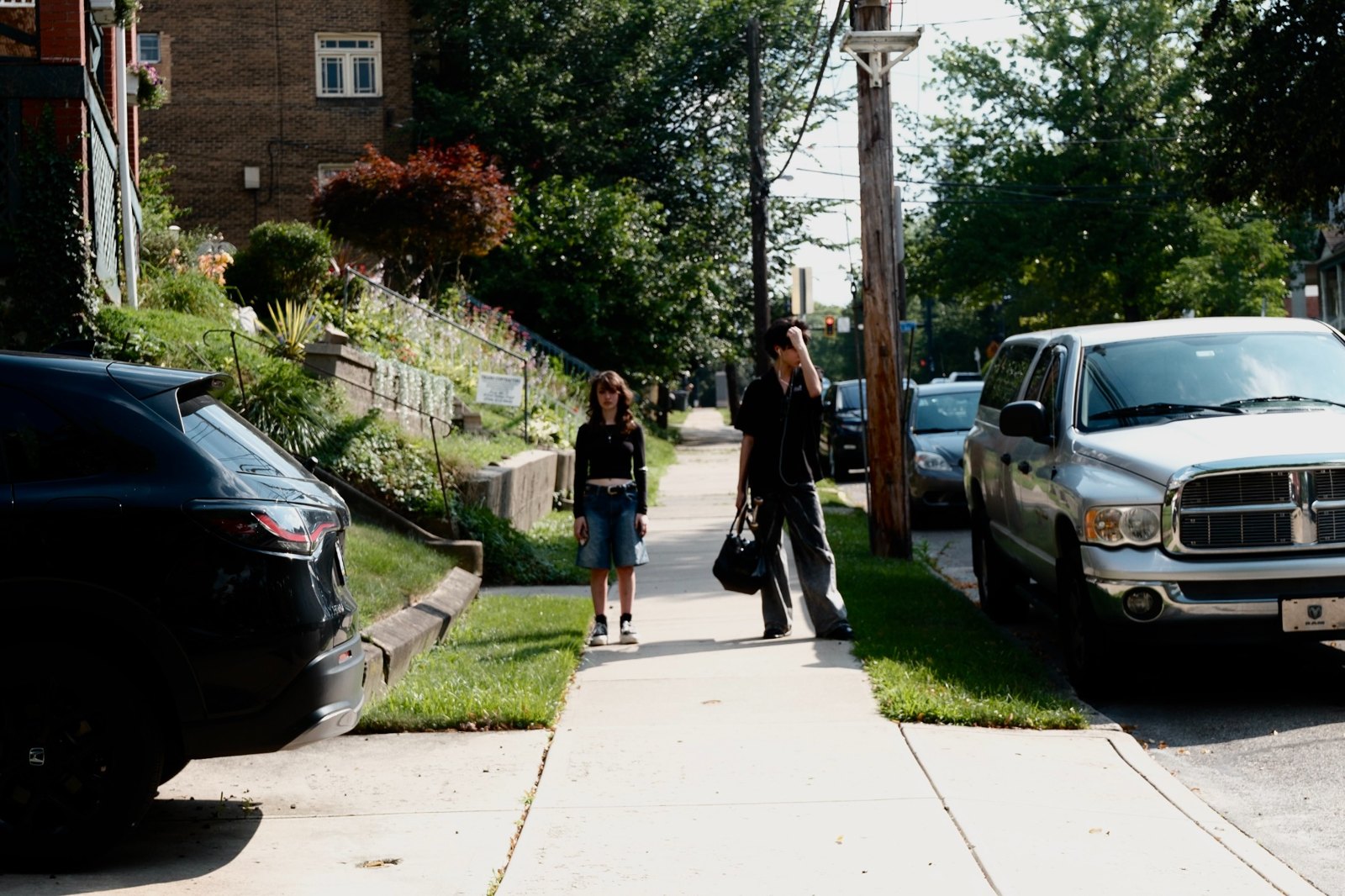 03 / MY NAME IS JULIAN
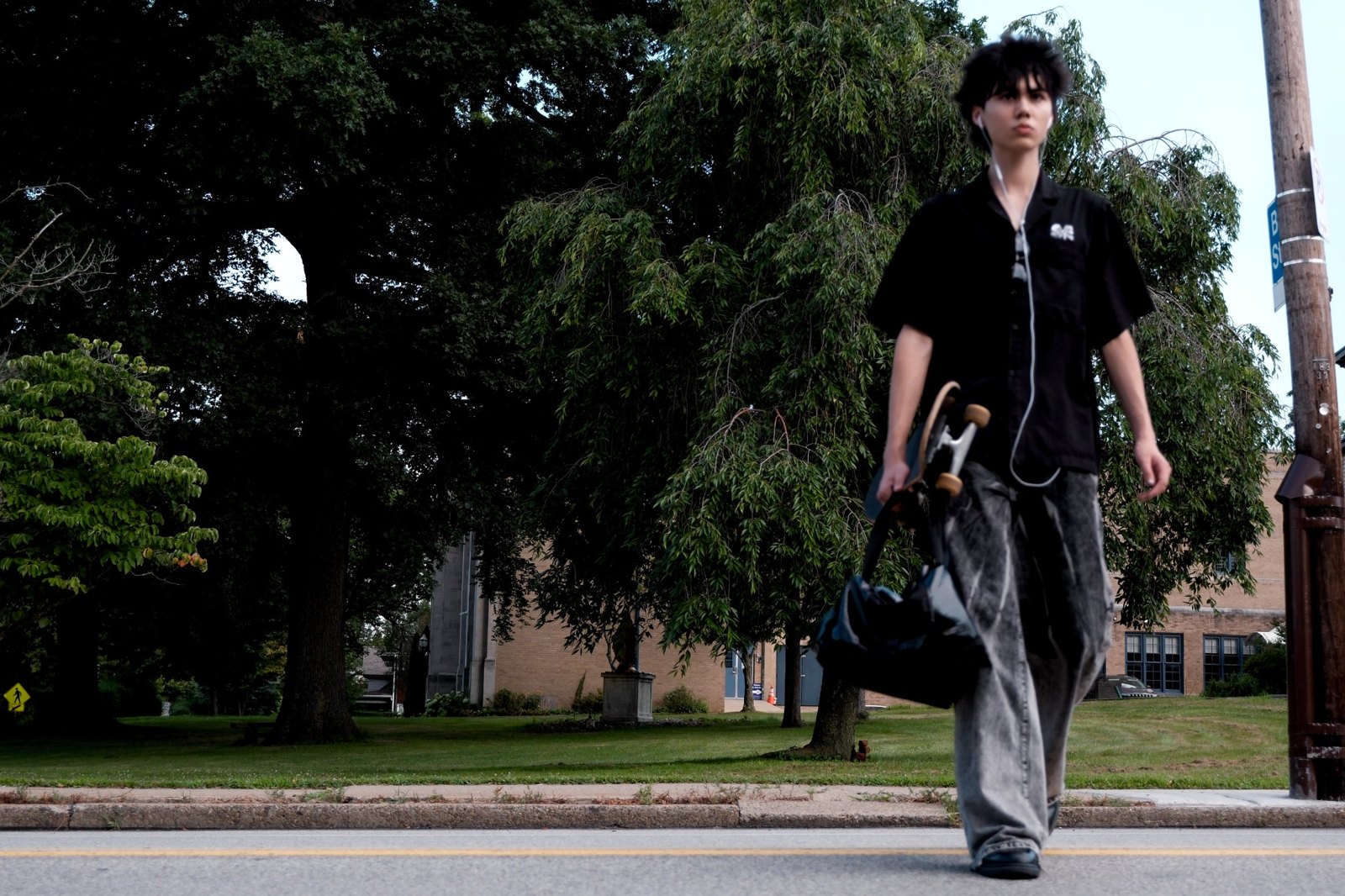 04 / MY NAME IS JULIAN
 05 / MY NAME IS JULIAN
 06 / MY NAME IS JULIAN
 07 / MY NAME IS JULIAN
 08 / MY NAME IS JULIAN
 09 / MY NAME IS JULIAN
 10 / MY NAME IS JULIAN
 11 / MY NAME IS JULIAN
 12 / MY NAME IS JULIAN
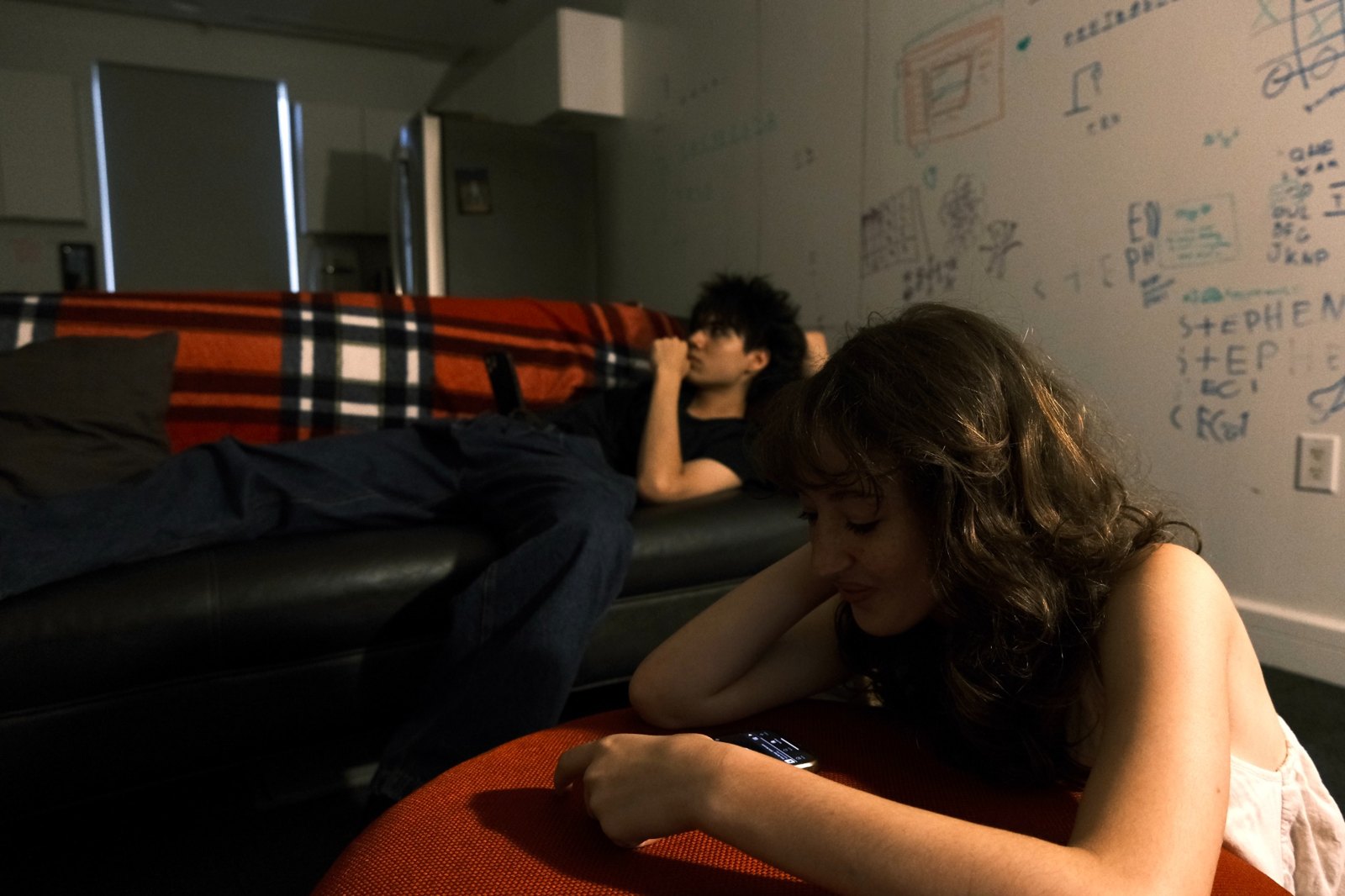 13 / MY NAME IS JULIAN
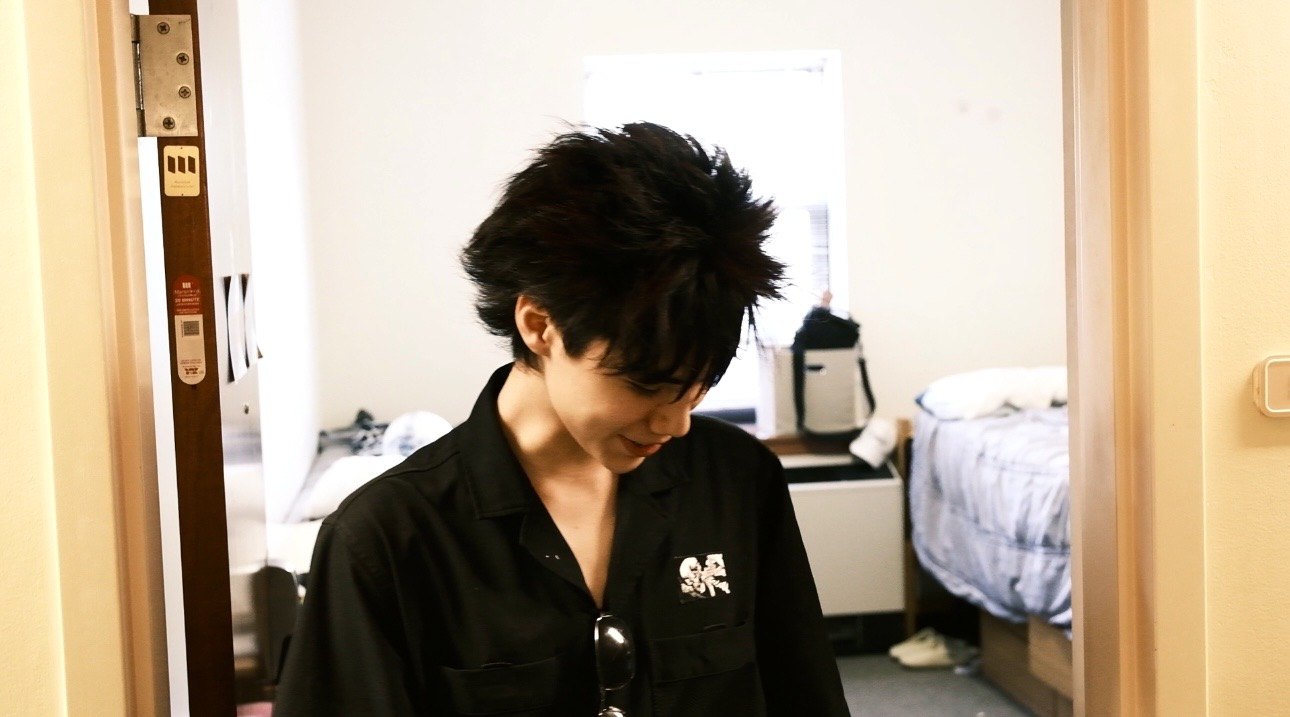 14 / MY NAME IS JULIAN
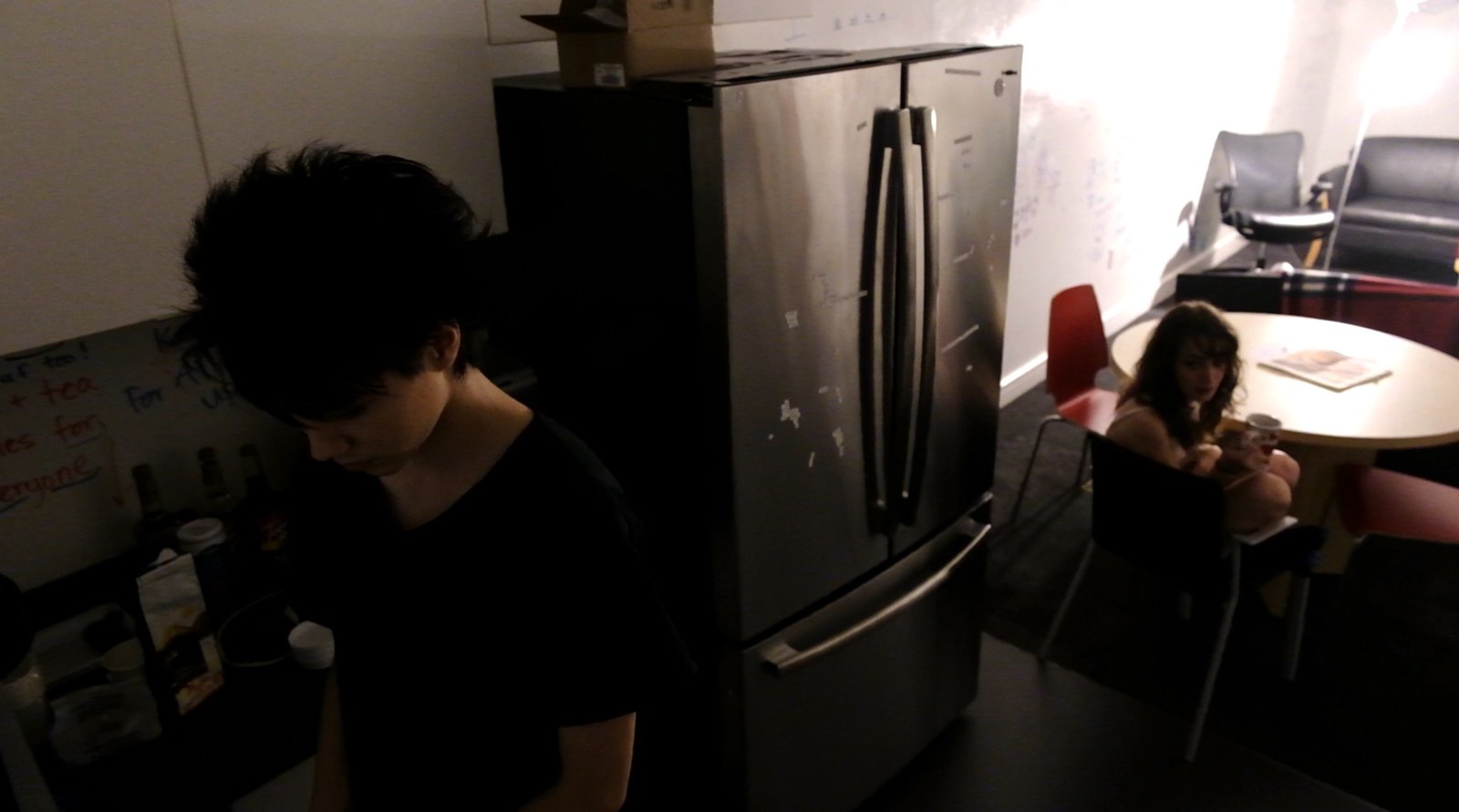 15 / MY NAME IS JULIAN
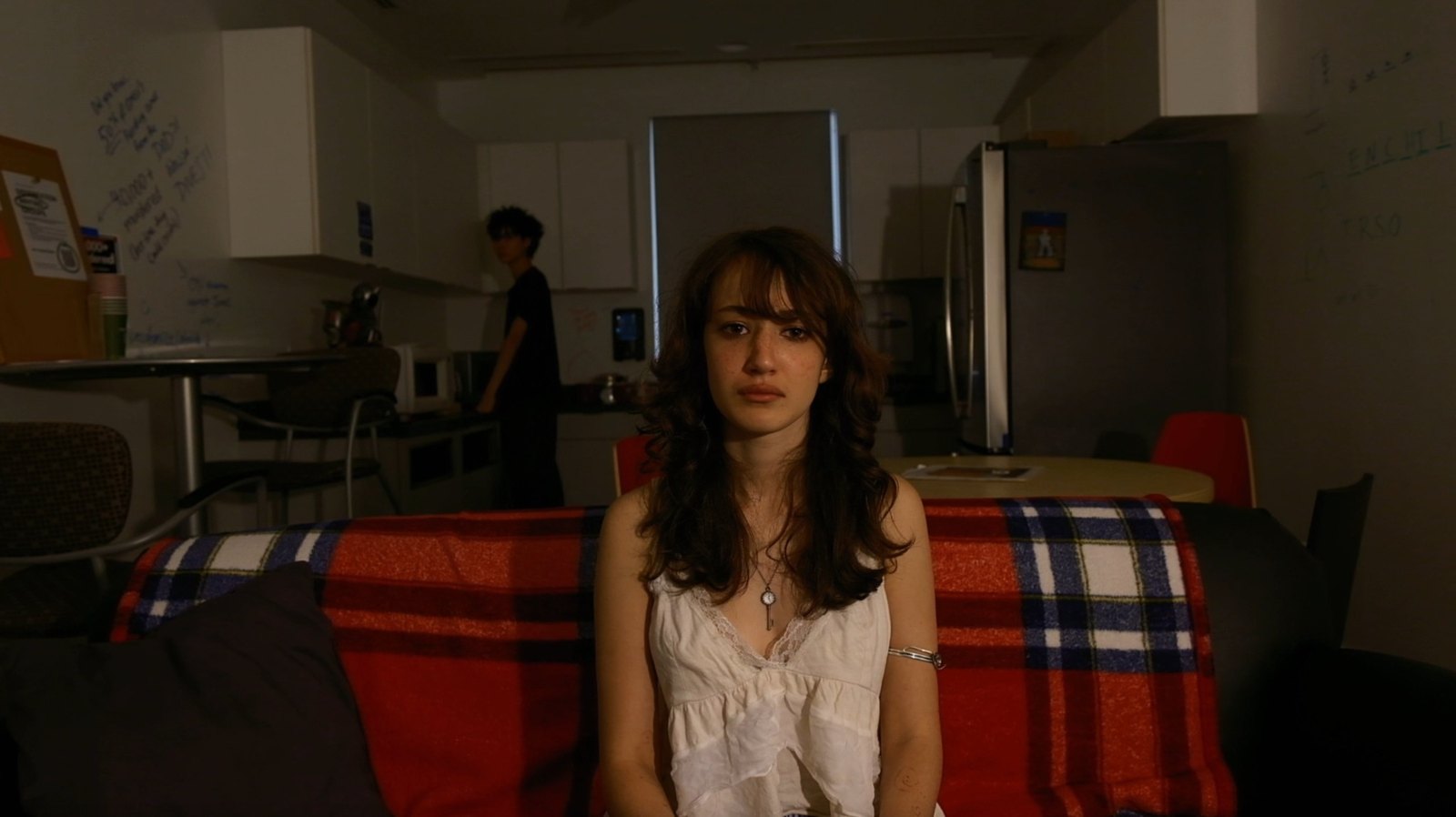 16 / MY NAME IS JULIAN
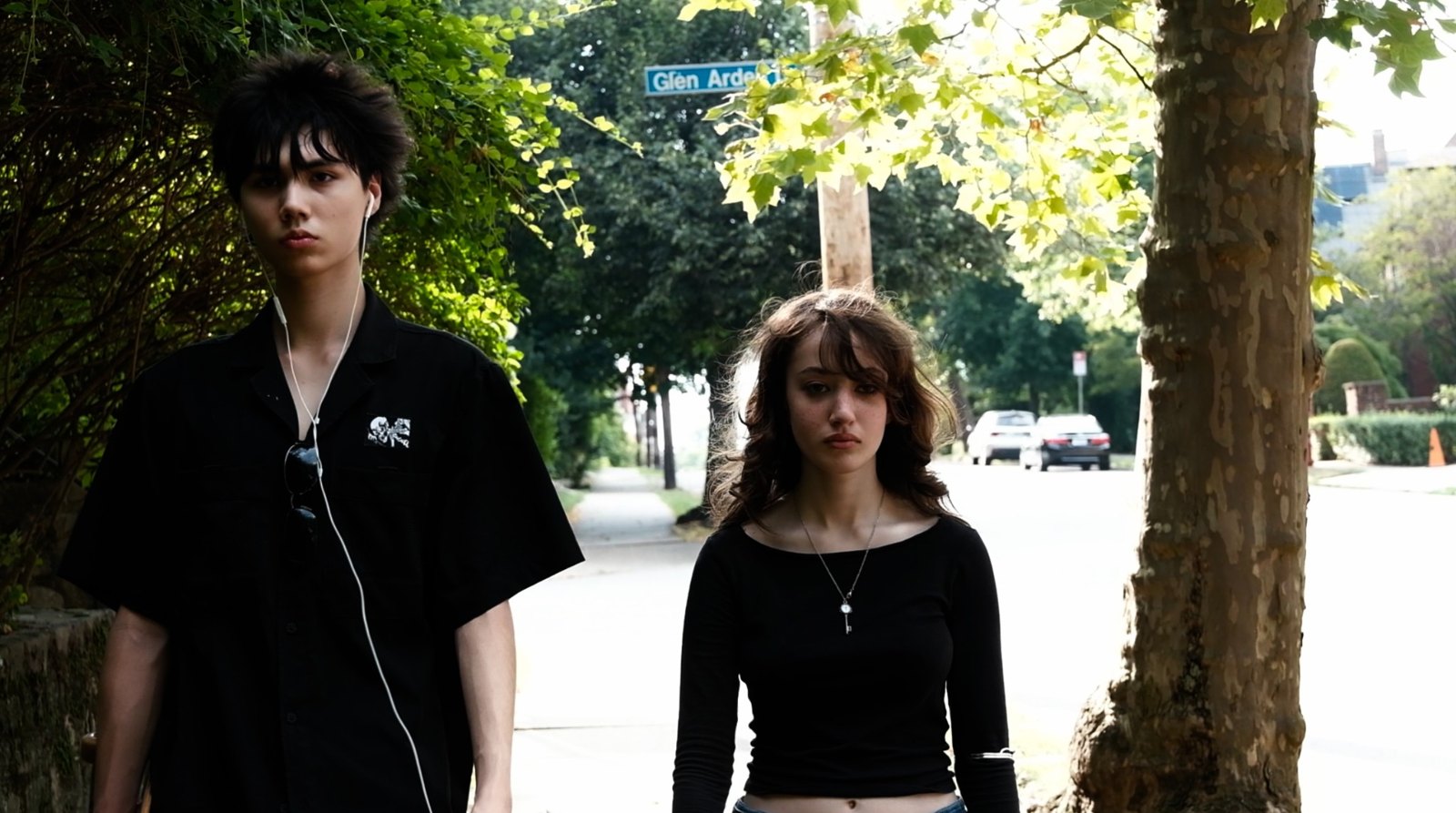 17 / MY NAME IS JULIAN